Europe’s transparency rules for generative AI became applicable on 2 August. Twelve days later, the practical shape of compliance is visible — and it is not confined to Europe.
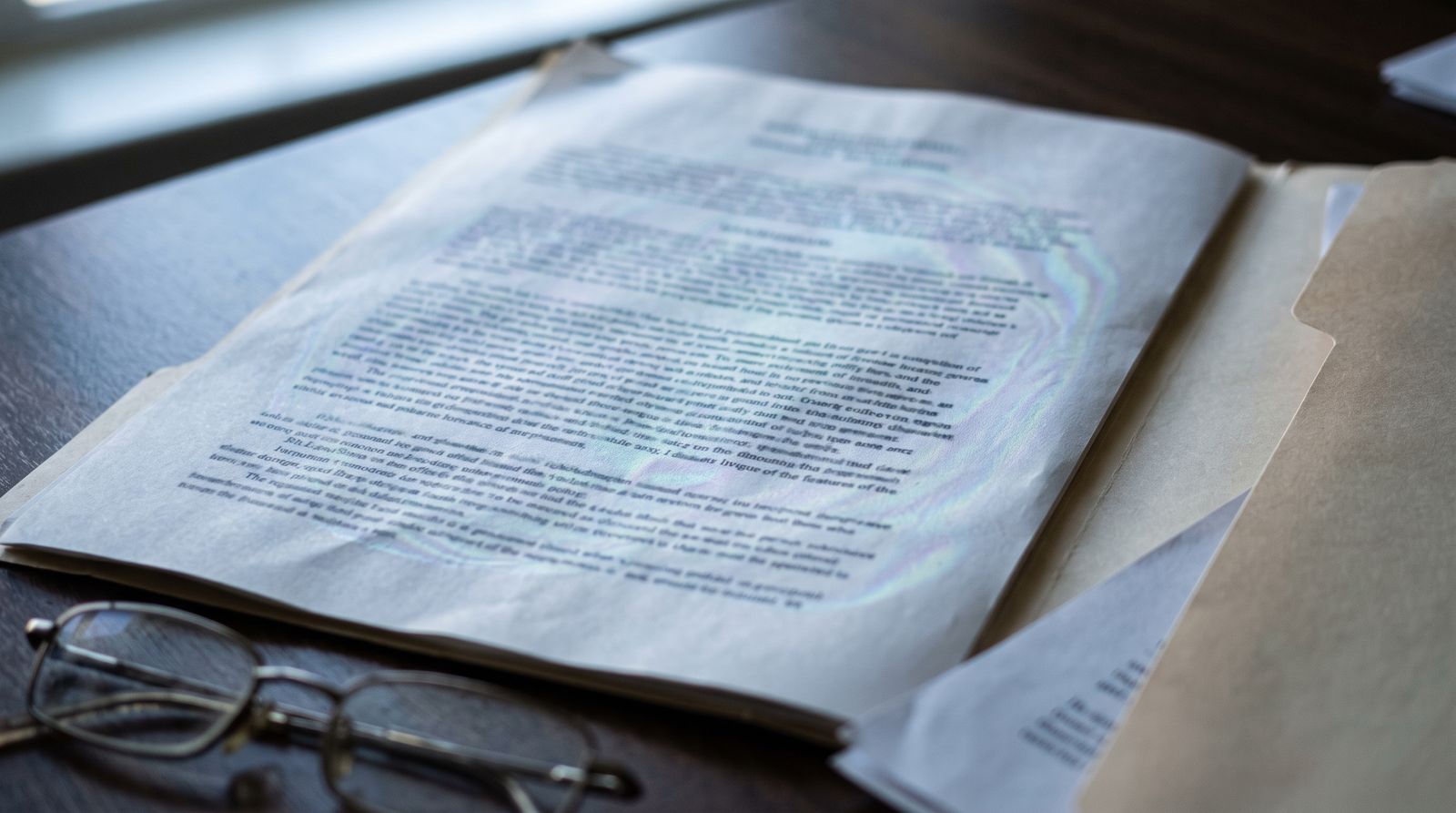
Anthropic said Claude will now mark its output in two ways. Generated text carries an imperceptible watermark embedded in the words themselves, which means it survives a copy and paste out of the chat window and can persist through some subsequent editing. Generated files in .svg, .png and .jpg formats carry signed provenance metadata following the C2PA open standard, recording how the file was made and whether it has since been altered.
The marking is being applied worldwide, not only to users inside the European Union. New Claude models released in the EU on or after 2 August support machine-readable marking from launch.
What the mark actually proves
This is the part most coverage gets wrong, and it matters if you are building policy around it. A watermark is evidence that text passed through a model. It is not evidence of who wrote the underlying argument, and its absence is not evidence that a human did.
Three ways the signal degrades in ordinary use. Text that has been heavily rewritten, translated, or run through a second model may no longer carry a recoverable mark. Text a person wrote themselves and then asked a model to tidy will carry one. And any provider that has not committed to Article 50 marking — including open-weight models running on someone’s own hardware — produces output with no mark at all.
Our take: The useful frame is provenance, not detection. C2PA metadata on a file tells you where an asset came from and whether it has been tampered with, which is a real supply-chain control worth having. A text watermark is softer — a positive signal with meaning, a negative one with almost none. Any organisation that writes “no watermark detected” into a hiring, academic-integrity or compliance policy is about to learn that the hard way.
Why this lands on non-European desks
Article 50 sits in the same pattern as GDPR: a regional rule that becomes a global default because splitting the product by geography costs more than complying everywhere. Anthropic is shipping the marking to everyone rather than gating it by IP address, and competitors now face the question of whether to do the same or explain why not.
For anyone shipping AI-assisted content, the operational change is small but real. Files that leave your organisation may carry a machine-readable record of how they were made. That is fine if you have already decided what you are willing to disclose. It is uncomfortable if you have not.
What to watch
- Whether other frontier labs match the global rollout or restrict marking to EU traffic.
- Whether platforms start reading C2PA metadata automatically and labelling uploads — the point at which this stops being a lab commitment and starts being a distribution rule.
- The first dispute in which a watermark is offered as evidence, and how the absence of one is treated.
- Open-weight models, which sit outside the marking regime entirely and get more capable every quarter.
The rule went live twelve days ago. The first company to write a policy assuming watermarks are a reliable AI detector will find out quickly that they were built to answer a different question.