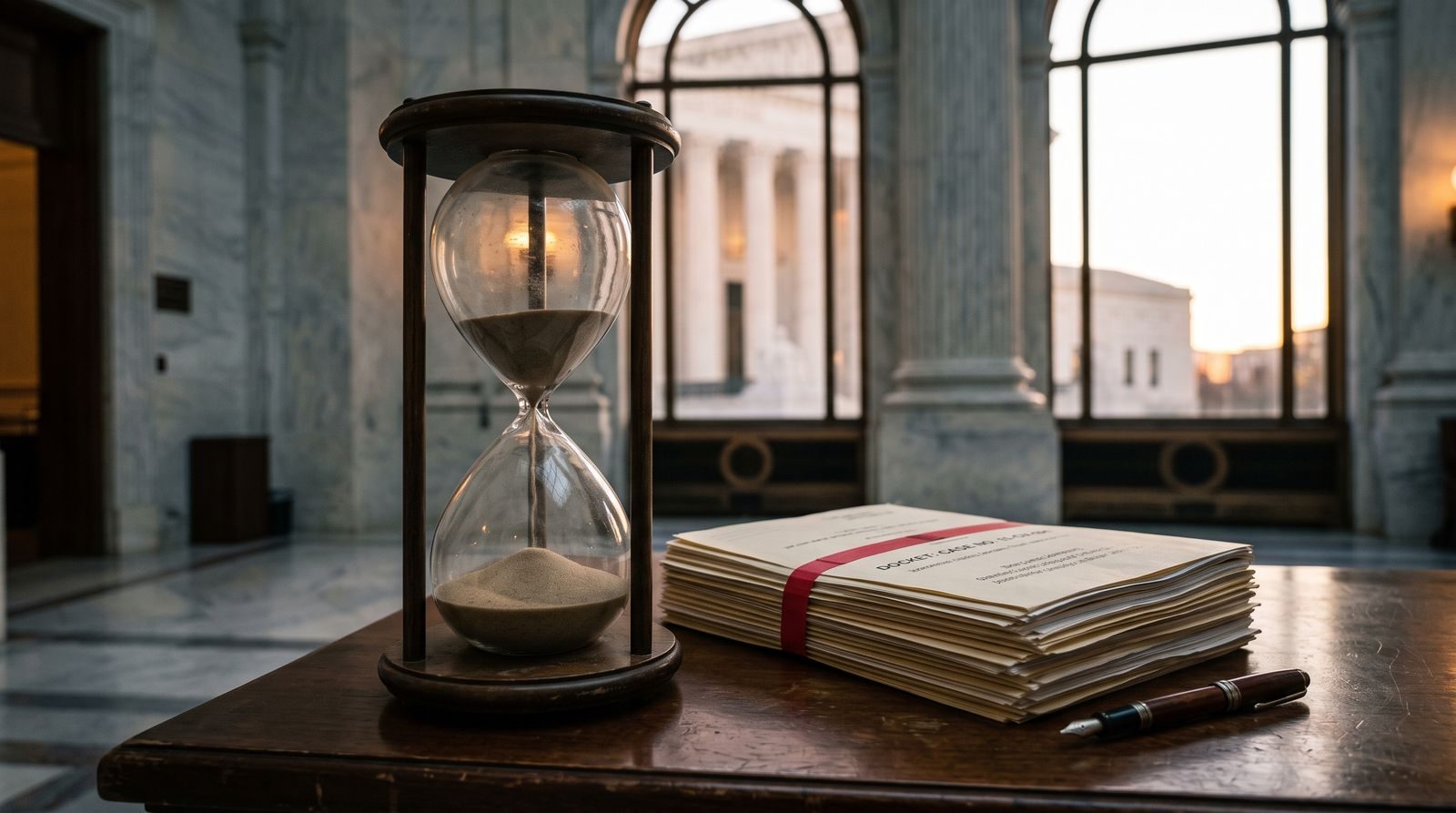
The waiting game around US crypto legislation just got an expiration date. CFTC Chair Mike Selig told the agency’s inaugural Innovation Advisory Committee meeting on August 20 that if the Senate fails to advance the CLARITY Act at its September 15 procedural vote, the CFTC will stop waiting: he has directed staff to scope rules that would codify a market structure for crypto assets under authority the agency already holds, and to start working directly with developers of on-chain finance protocols.
The CLARITY Act — the bill that would formally split oversight of digital assets between the CFTC and the SEC — cleared the House last year but has been stuck in the Senate, where it needs 60 votes to move. The sticking point is a Democratic push for tougher ethics provisions aimed at the Trump family’s own crypto ventures. The White House has leaned in hard: on August 19, President Trump hosted Ripple CEO Brad Garlinghouse, SEC Chair Paul Atkins and Selig, and publicly urged the Senate to pass the bill.
Markets have been trading this bill all month. XRP, the asset most directly leveraged to US regulatory clarity, ran roughly 70% in a week to $1.70 — its best level since January — before Saturday’s leverage-driven flash crash and a Monday pullback toward $1.50. Bitcoin, which slipped below $76,000 in the weekend washout, spent Monday recovering. The August rally was never about cash flows. It was about this vote.
Rules by statute vs. rules by memo
Selig’s plan B matters because it changes the worst case. If cloture fails on September 15, the outcome is no longer “nothing” — it’s agency rulemaking. Coinbase CEO Brian Armstrong has already adopted the new baseline, arguing clarity now arrives either way: by statute or by rule.
But the two paths are not equivalent. An agency regime is faster and narrower, and it is reversible — what one chair builds, the next chair can dismantle. The bill’s statutory protections, like its open-source developer exemption and its self-custody guarantees, exist only if Congress writes them into law. A rulebook on agency letterhead can be rewritten the same way it was written.
The CFTC also isn’t moving in a vacuum. The SEC put its own Reg Crypto proposal out for public comment this month, and banking regulators are still digesting comment letters on the GENIUS Act’s stablecoin ID rule — including a fresh push from big-bank trade groups to extend KYC to secondary markets. Washington is converging on crypto market structure from three directions at once, with or without the statute.
Our take: A deadline converts policy risk into event risk. For three years crypto’s ask in Washington was “any rules at all.” Now the floor is agency rulemaking and the ceiling is statute — and the spread between them is durability, which is what September 15 actually decides. That’s genuine progress hiding inside a standoff: the worst case improved, and the best case got a date. But don’t confuse the two. Agency rules survive exactly as long as the next administration wants them to, and markets that rallied hardest on the bill — XRP above all — are now pricing a binary event. The weekend flash crash already showed what happens when leverage, not policy, does the deciding.
What to watch
- September 15: the Senate cloture vote. Sixty yes votes advances the CLARITY Act; anything less triggers Selig’s fallback.
- The ethics negotiation: whether Democrats trade votes for restrictions on presidential-family crypto ventures — the single issue holding the coalition apart.
- The CFTC’s reach: if talks fail, how much of a market-structure regime existing commodities law can actually carry, and what still lands with the SEC.
- The parallel track: the SEC’s Reg Crypto comment window runs into the fall regardless of what the Senate does.