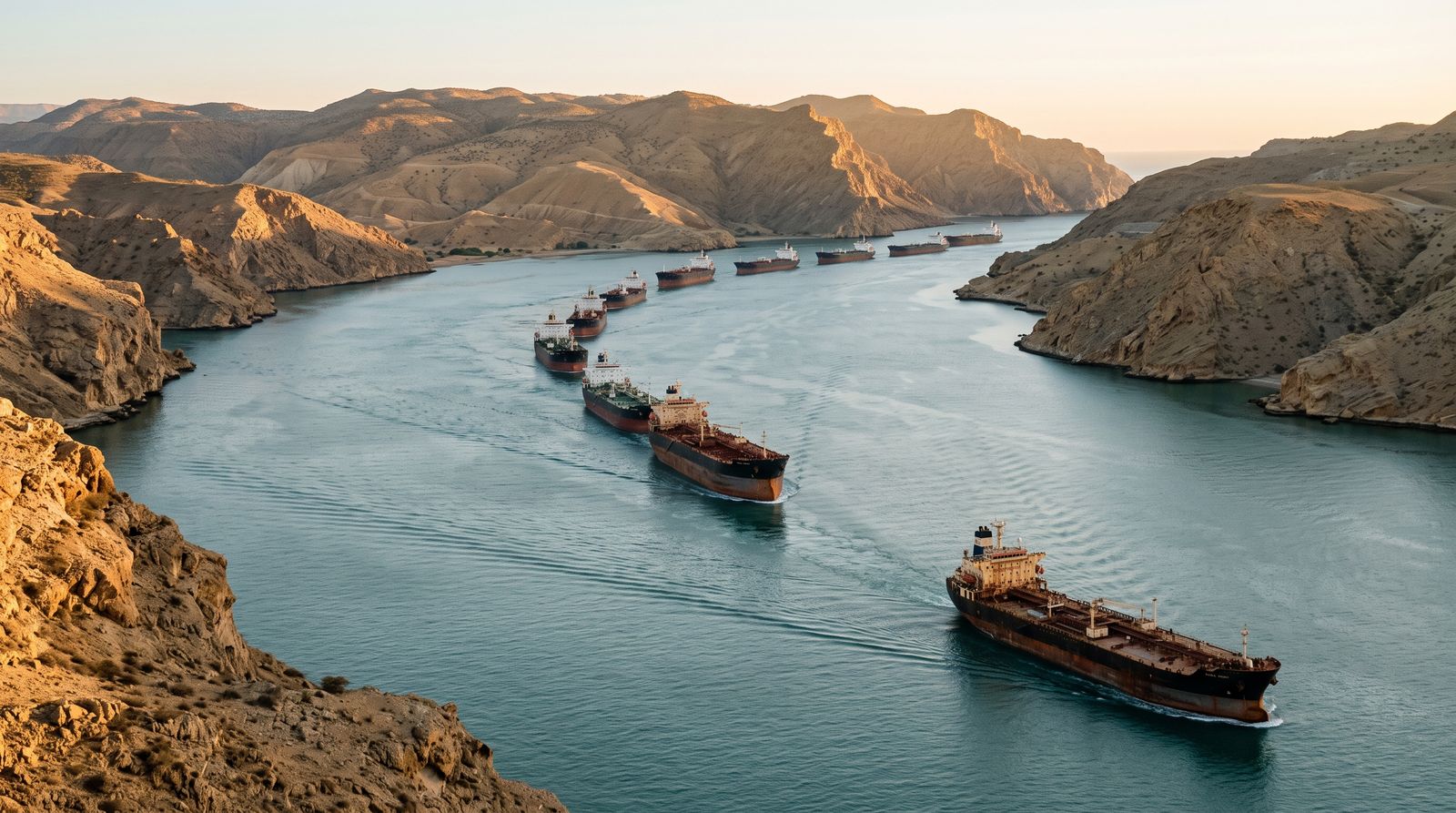
Futures reopened Sunday evening and printed the answer to the weekend's only question: S&P 500 futures rose about 0.4% and Nasdaq-100 futures jumped more than 1%, while Dow futures sat 28 points lower — a risk-on tilt, not a panic gap. The catalyst landed hours earlier. Washington and Tehran agreed to halt their latest round of attacks and reopen the Strait of Hormuz to commercial shipping, in what negotiators framed as an initial deal to extend the ceasefire — with plenty left unresolved. On Friday we called the Sunday open the tell for a market flying blind through funeral week: flat-to-firm means the tape still believes the deal. It got firm.
The timing is the surprise. Formal negotiations were supposed to stay frozen through July 9 while Iran holds funeral rites for Ayatollah Ali Khamenei — yet the stand-down arrived mid-pause, before mediators had even restarted the clock. It is also the third time this exact headline has moved this exact tape. A memorandum signed in June promised the same reopening; within weeks Iran was metering tanker traffic and charging tolls for passage, and when strikes resumed, the strait was effectively shut all over again. Twice-burned is why futures added fractions of a percent instead of ripping.
The stakes are already in the price. Brent ended the holiday week near $72 and WTI just above $69 — pre-war levels, down roughly 20% from the 2026 peak — while Hormuz flows had recovered to more than 10 million barrels a day even before this agreement. Sunday's deal is less about unlocking a new rally than about protecting the one that already happened: cheap crude has been the quiet subsidy under record equity indexes and softening inflation math all summer. Nasdaq's overnight leadership says traders read "fewer tankers dodging missiles" as "more room for the Fed to ease" — even as early signals point to a choppier Asian session, with investors reportedly rethinking crowded AI trades.
Our take: the market isn't paying for peace — it's paying for the removal of a tail risk nobody could hedge while US markets sat dark for five days. That's why the move is modest and concentrated at the risk end of the tape. After two headfakes, this headline trades at a discount, and the discount is earned: memos don't move oil, tankers do. Watch verification, not vocabulary — war-risk insurance premiums, transit counts, whether crude breaks lower and stays there. A real reopening extends the run under the record Dow; headfake number three unwinds into a market positioned for calm.
What to watch
- Tanker traffic and war-risk premiums. Flows above 10 million barrels a day were the floor; a real reopening pushes transits toward pre-war norms and insurance rates down. Promises don't show up on ship-tracking data. Ships do.
- Crude's Monday session. Brent holding near $72 means the deal was already priced. A decisive slide says the market believes this reopening is durable — and hands OPEC+'s August barrels a heavier tape to land on.
- July 9. The halt-attacks agreement is not the nuclear deal. Mediators promised talks resume "at the earliest possible time" after the commemorations; every week of slippage keeps the risk premium on life support.
- Fed minutes and the AI tape. The June-meeting minutes land this week, and Asia's open will show whether Nasdaq's Sunday leadership survives a market already muttering about AI fatigue.