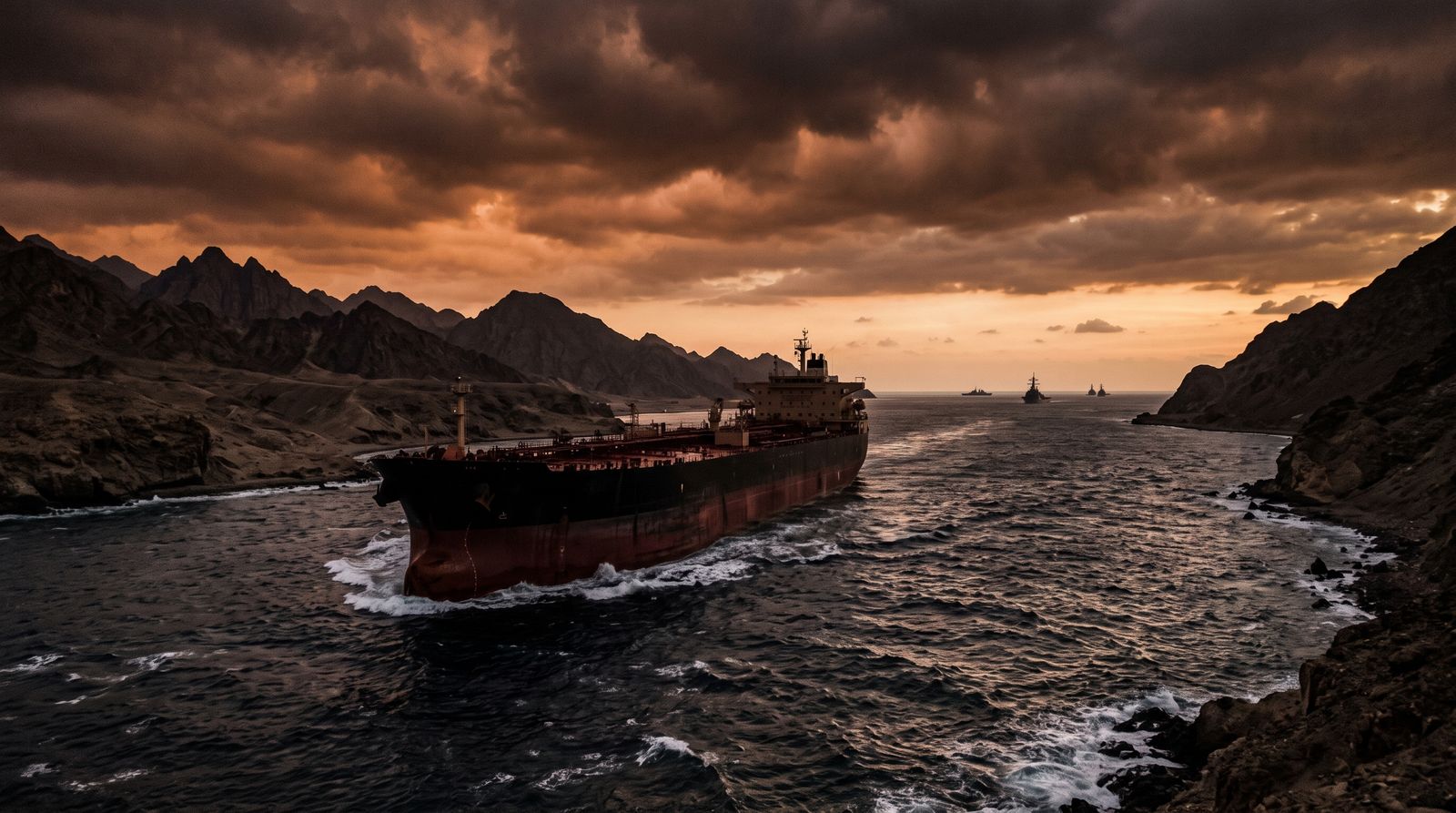
The pattern held through Saturday: US Central Command flew a seventh consecutive night of strikes into Iran — fighter aircraft, drones and warships hitting surveillance sites, military logistics, underground weapons storage and maritime attack capabilities. NBC News reported two bridges and a road tunnel near the port hub of Bandar Abbas were damaged early Saturday, killing three people, and Iran renewed missile and drone attacks on US allies across the Gulf in response. NPR’s Saturday framing was blunt: both sides are blowing past red lines that held just a week ago.
The market-moving change is target selection. On Friday, Kuwait said Iran attacked a power and water-desalination plant on its soil — civilian infrastructure in a US-allied petrostate, not a military base. Oil answered immediately: Brent settled up about 4.6% at $88.10 and WTI rose about 4.5% to $82.49, the highest closes in over a month, capping a week in which crude was the only trade that worked.
Then there’s the strait itself. Hormuz carries roughly a fifth of the world’s oil supply, and traffic is thinning fast: just three commodity vessels crossed on Thursday, the fewest daily transits since May, as shipowners halted or turned around rather than run a waterway where Iran’s Revolutionary Guards say no oil or gas will leave the region while US attacks continue. Washington’s counter — naval escorts that shepherded more than 8 million barrels through in a single day earlier this month — only works for ships willing to sail at all. Tehran, for its part, has signaled it could push its Houthi allies to squeeze Bab al-Mandeb, the Red Sea’s southern gate, as well.
Our take: Oil has stopped trading headlines and started trading arithmetic. A strike on a desalination plant doesn’t remove a single barrel from the market — it changes the probability that supply itself becomes the target, and that repricing is what Friday’s 4.6% was. Watch the spread between the price of oil and the price of moving oil: tanker day-rates and war-risk insurance premiums spike before crude does, because a strait doesn’t need to close to stop traffic — it just needs to become uninsurable. And note the tell on the other side of the tape: gold broke below $4,000 the same week, which says traders still believe the Fed’s July 28–29 meeting matters more than the war. Monday’s open tests whether that conviction survives a weekend of infrastructure strikes.
What to watch
- Sunday night futures. The first print after 48 hours of weekend escalation — the size of the gap tells you how much wasn’t priced on Friday.
- Freight and insurance. War-risk premiums and tanker rates through Hormuz are the early-warning gauges — they move before the barrel does.
- Bab al-Mandeb. If attacks resume at the Red Sea chokepoint too, a two-strait squeeze puts a premium on every seaborne barrel — two weeks before a Fed meeting the whole tape is leaning on.