Eli Lilly said Thursday it will acquire atai Beckley, the clinical-stage developer of psychedelic-based mental health treatments, for $6.75 per share in cash — roughly $2.8 billion, a 26% premium over Wednesday’s $5.36 close. The deal includes up to another $2.50 per share, about $1 billion more, if atai Beckley’s drugs hit development and regulatory milestones. The market’s verdict came fast: the stock surged more than 30%, blowing straight past the cash offer — investors are already pricing in part of the milestone money.
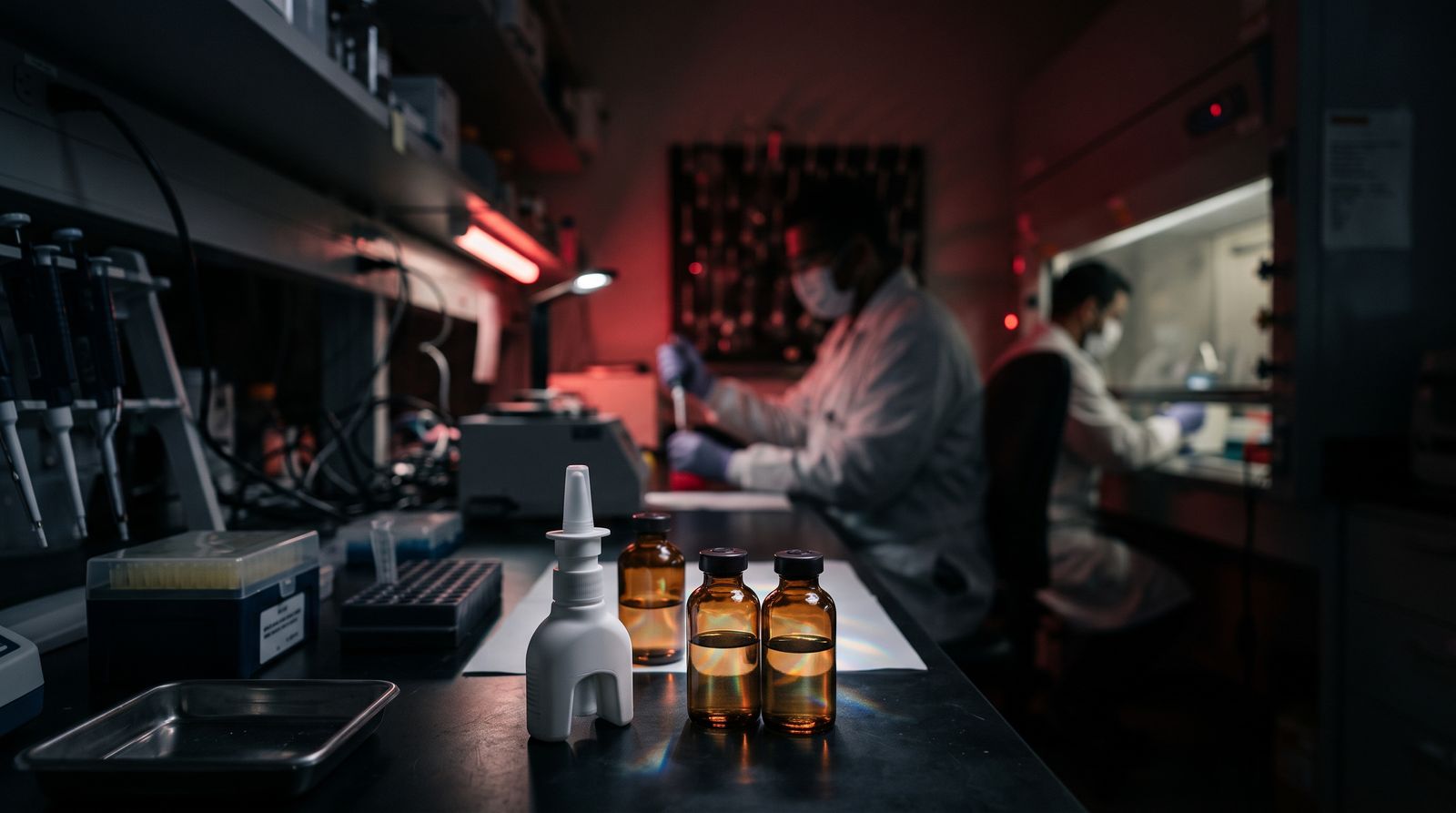
What Lilly is actually buying: BPL-003, a fast-acting intranasal formulation of the psychedelic 5-MeO-DMT that posted statistically significant improvements in treatment-resistant depression starting at day two of a phase 2b trial. Behind it sit VLS-01, a DMT film that dissolves in the cheek, aimed at the same condition, and EMP-01, an (R)-MDMA compound for social anxiety disorder. The transaction is expected to close in the third quarter, pending shareholder and regulatory sign-off.
The strategic read is bigger than the price tag. Lilly built the largest franchise in pharma on obesity and diabetes drugs, and it has spent 2026 buying its way into everything else — three vaccine developers and a sleep-drug maker already this year. Now it’s walking directly into the fast-onset depression market that Johnson & Johnson has had largely to itself with Spravato, its ketamine-derived nasal spray. A field that a decade ago lived on the fringes of academic medicine just got a term sheet from the industry’s biggest checkbook — on a morning when health care was already the tape’s biggest story.
Our take: Capital is legitimacy. Regulators, prescribers, and insurers can debate psychedelics for years; a $2.8 billion cash bid from Lilly ends the debate about whether this is a real drug class. Note the structure, though — roughly a quarter of the potential value is contingent, so Lilly capped its science risk while headline-hunting the sector. That makes this deal the new comp: every remaining public psychedelic developer now gets marked against $6.75 a share, and every one of them just became a takeout candidate in a year already running at a record M&A pace. The trade isn’t chasing atai — it’s asking who gets the next term sheet.
What to watch
- The phase 3 plan. BPL-003’s next trial design — size, endpoints, timeline — is the first tell on how fast Lilly thinks it can get a psychedelic through the FDA, an agency that rejected an MDMA-based therapy as recently as 2024.
- The sector re-rate. Smaller public psychedelic developers should trade up on the comp. Watch whether the move sticks or fades — that’s the market handicapping who else is acquirable.
- J&J’s response. Spravato showed fast-onset depression treatment is a real commercial market. Its owner now has a rival with deeper pockets and a pipeline built for the same patients.
- Lilly’s deal cadence. Five bolt-on acquisitions in about seven months is a pattern, not a coincidence. The next one tells you which therapeutic area the obesity profits fund after this — pharma’s cash pile is compounding while rivals write $10 billion checks of their own.