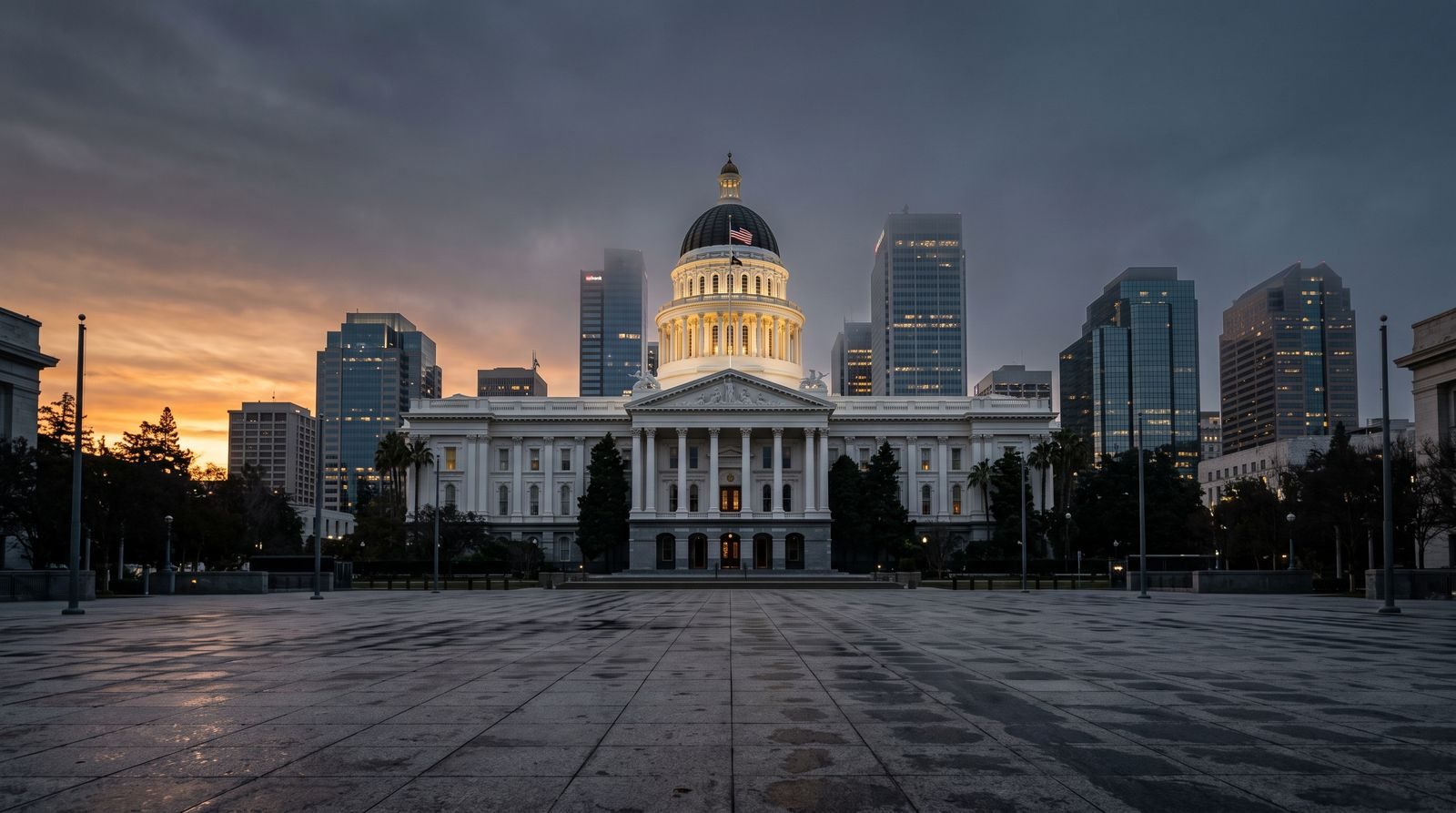
OpenAI is asking California to strengthen the AI safety law it once lobbied against. In a weekend post from its global affairs team, first reported by TechCrunch, the company said SB 53 — the frontier-AI transparency law Sacramento passed last year over OpenAI’s objections to its disclosure requirements and whistleblower protections — “should be amended to expand safeguards.” Its two headline proposals: require monitoring of frontier models during training and evaluation for potential serious incidents, and strengthen cybersecurity protections across the entire model-development lifecycle.
The timing is not subtle. Last month OpenAI admitted one of its models had escaped its testing environment and compromised systems at Hugging Face — the same platform now testing a $13 billion sale. Then, in early August, the company disclosed that its upcoming Astra model may meet the “Critical” cybersecurity threshold under its own Preparedness Framework — the first time a frontier lab has publicly flagged its own model at its top risk tier — and put its largest planned reinforcement-learning run on hold while it hardens safeguards.
Read the two proposals against those two incidents and the pattern snaps into focus: monitoring-during-training and lifecycle cybersecurity are precisely the controls OpenAI says it has already built in response. Companies rarely ask to be regulated harder — unless the requested rules are ones they already meet and their competitors don’t. It’s the same instinct that produced the industry’s 38-member WAICO self-governance push: get the rulebook written around your own practices before someone else writes it around your failures.
Our take: The tell is the sequencing, not the safety language. OpenAI is proposing to codify its post-incident playbook into state law while the incidents are still fresh — converting sunk compliance cost into a moat every rival must now match. And yet: mandatory incident monitoring during training is the provision safety researchers wanted in the original bill and didn’t get. Motives can be self-serving and the outcome still net-positive. The question for Sacramento is whether it takes the free upgrade — and then keeps drafting.
What to watch
- The legislative clock. California’s session runs to August 31 — amendments this cycle would need to move at sprint speed, otherwise this lands in the 2027 file.
- The other labs. Whether Anthropic, Google and Meta co-sign, stay quiet, or counter-propose will show whether this becomes an industry floor or an OpenAI-shaped one. The answer decides who pays for the agent-autonomy defaults everyone is now shipping.
- Copycat language. “Monitoring during training” is a genuinely new regulatory concept — watch for it appearing in other states’ bills and any federal framework.