Prysmian said on Monday that it has completed its acquisition of Atkore, paying $95.00 a share in cash for an implied enterprise value of about $3.8bn (€3.3bn). Atkore is now a wholly owned subsidiary, its shares no longer trade on the New York Stock Exchange, and it will be consolidated into Prysmian’s results from November. The merger agreement was signed in early August with completion targeted by the end of the calendar year. It landed with ten weeks to spare.
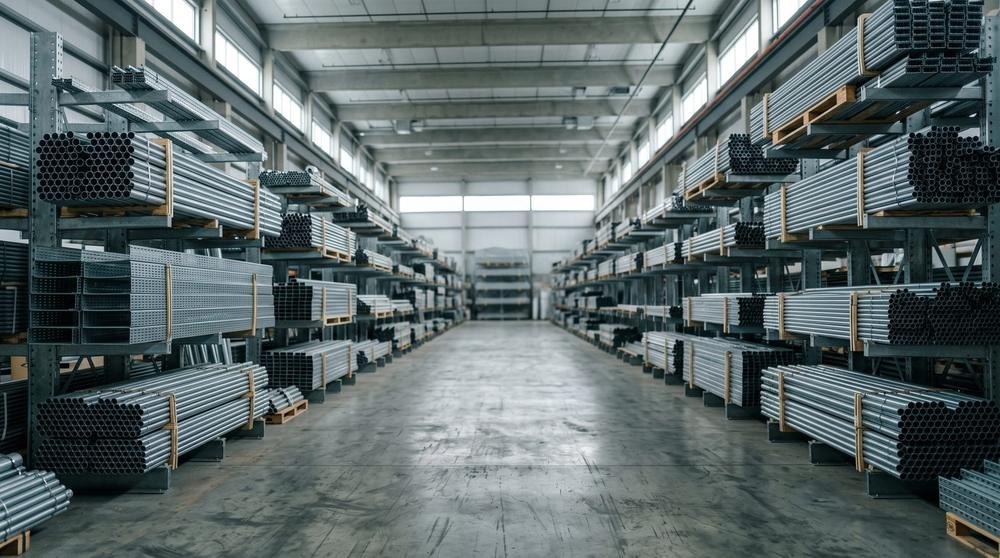
Atkore makes the unglamorous half of an electrical system: steel and PVC conduit, cable-management trays, metal framing channel. It booked $2.9bn of sales in fiscal 2025 with 5,400 employees. The price was roughly 30% above Atkore’s $72.96 close on 31 July, the last session before the deal was announced, and about 57% above the $60.69 close on 29 September 2025 — the last trading day before the company began the strategic review that ended here.
The number Prysmian put in front of its own shareholders comes in two versions. High single-digit earnings accretion in the first full year after closing, before synergies. Double-digit accretion once about $150m of annual run-rate pre-tax synergies arrive, which the company gives itself three years to deliver. Both figures exclude purchase-price allocation effects under IFRS. The cash was raised with a mix of debt — including hybrid bonds — and equity, including a disposal of treasury shares, with the stated aim of preserving Prysmian’s investment-grade profile.
Our take: The two accretion numbers are doing different jobs. High single-digit before synergies is the one that has to be true on day one. Double-digit is the one that gets quoted. The distance between them is $150m of annual cost savings on a business turning over $2.9bn — about five points of revenue — and a three-year clock to find it. The hybrid bonds are the tell on the financing: rating agencies give them partial equity credit, which is exactly what you reach for when the cash price is fixed and the credit rating is not negotiable. As for strategy, chief executive Massimo Battaini called the deal “another significant step in our evolution from a cable manufacturer to a broader, fully-fledged solutions provider” — and that is the honest version of the thesis. Prysmian paid a 30% premium to move from selling metres of commodity cable into selling the trays, conduit and brackets that go around it, where pricing holds up better. The catch is what that demand rests on. Conduit volume is a derivative of construction starts, and it is among the first things to soften when data-centre and utility capital spending pauses.
What to watch
- Whether the $150m gets itemised. At the next results, look for the savings split into named buckets — procurement, footprint consolidation, overhead — with dates. A single unbroken line three quarters from now is the warning sign.
- Atkore’s margin in the first consolidated quarter. From November the revenue simply appends. The margin is the part that tells you whether conduit pricing is holding.
- The size of the hybrid issue, and how agencies treat it. Partial equity credit is a judgement, not a given.
- US non-residential construction and data-centre starts. This deal is a bet on the build continuing at something close to the current pace.
- More than 60 combined US manufacturing and distribution sites. Footprint overlap is where the easy synergies live — and where the restructuring charges show up first.
Prysmian has bought a decent business at a full price and told the market a number that depends on work it has not done yet. That is normal. The discipline is remembering which of the two numbers was the promise.