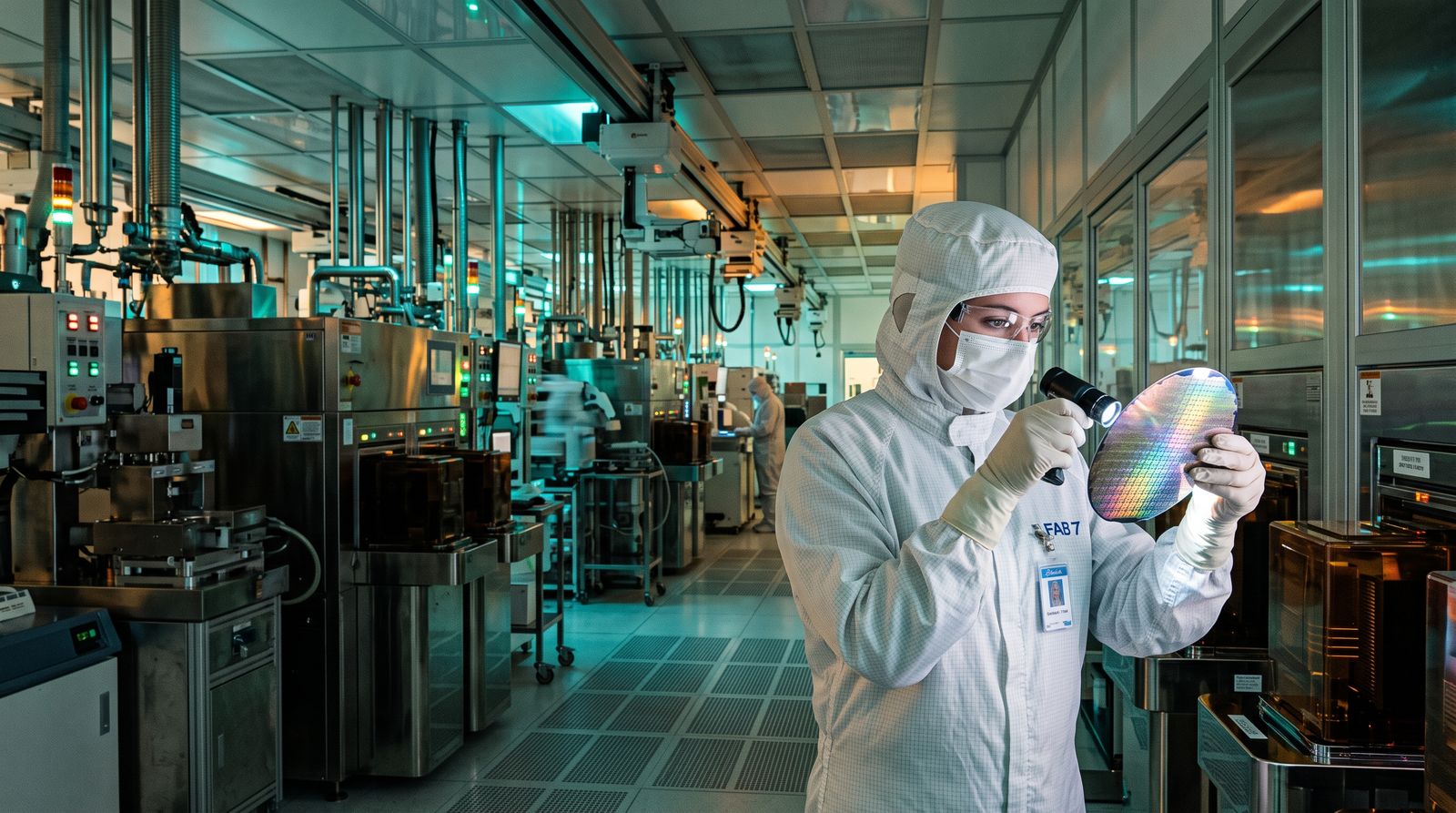
South Korea announced an $880 billion investment plan in semiconductors and AI over the next decade — the largest national program of its kind, anywhere, ever. For a country whose two flagship exporters sit at the center of the global memory and logic supply chain, this is less a stimulus package than a declaration: compute is now a strategic reserve, and Seoul intends to hold one.
Chips are sovereignty now
The past three years turned semiconductors from an industry into an instrument of statecraft — export controls, subsidy races, and fab diplomacy. South Korea's move is the logical endpoint: if AI capability compounds and AI runs on silicon, then national silicon capacity is national power. Expect the framing everywhere from Washington to Brussels to Tokyo within the year.
Our take: The headline fabs will get the coverage, but the durable opportunity is the supply chain underneath — equipment makers, advanced packaging, and above all the power infrastructure required to run AI-scale compute. Decade-long government money doesn't chase quarters; it builds ecosystems. Position accordingly.
The timing is the tell
The announcement lands in the same week U.S. chip stocks spent giving back a monster first half — the VanEck Semiconductor ETF fell 4.5% today alone after an 80%+ run in H1. Traders are taking profits; governments are buying the decade. When short-term money and sovereign money disagree about the same asset class, the disagreement itself is information.
What to watch
- Copycat programs: watch for Japan, the EU, and the Gulf states to answer with expanded packages of their own.
- Power bottlenecks: $880B of chips is worthless without gigawatts to run them — grid and energy-storage plays ride the same wave.
- Where the money lands: memory-and-foundry expansion vs. AI model development — the split will reveal whether Seoul is defending its position or trying to leapfrog.