Taiwan’s National Referendum No. 22 passed on Saturday. On the preliminary count, 5,044,088 people voted yes and 3,165,564 voted no — and under the Referendum Act a proposal carries only if yes votes outnumber no votes and reach a quarter of all eligible voters.
With 20,003,835 eligible voters, that quarter is 5,000,959. The yes total clears it by 43,129 votes — a margin of about 0.9% of the bar itself, on a count every source describes as provisional and not yet certified by the Central Election Commission.
Except that one account publishes the bar as 5,009,095, which would make the margin 34,993. Both numbers were in circulation within hours of the polls closing. Only one of them divides into 20,003,835.
What the result does not do
It does not restart a reactor. The referendum is a “major policy” vote under Article 2 of the Referendum Act, which obliges the government to act on it but does not amend a statute. Taiwan’s nuclear-free provisions sit in Article 23 of the Basic Environment Act and Article 5 of the Climate Change Response Act, and both survive the vote untouched. Repealing them takes a legislative amendment — which the KMT and TPP majority could pass directly, and could have passed without a referendum at all.
Taipei’s own framing is unusually blunt about this. The result, officials said, authorises the immediate restart of nothing, and still requires reactor safety assessments, nuclear waste reviews and regulatory approval. The Cabinet said it respects the outcome and will proceed “cautiously” on three conditions: safety, a waste solution, and social consensus. The economy ministry’s vice minister put it more directly before the vote — a referendum cannot replace the reviews the law requires.
The capacity nobody has published
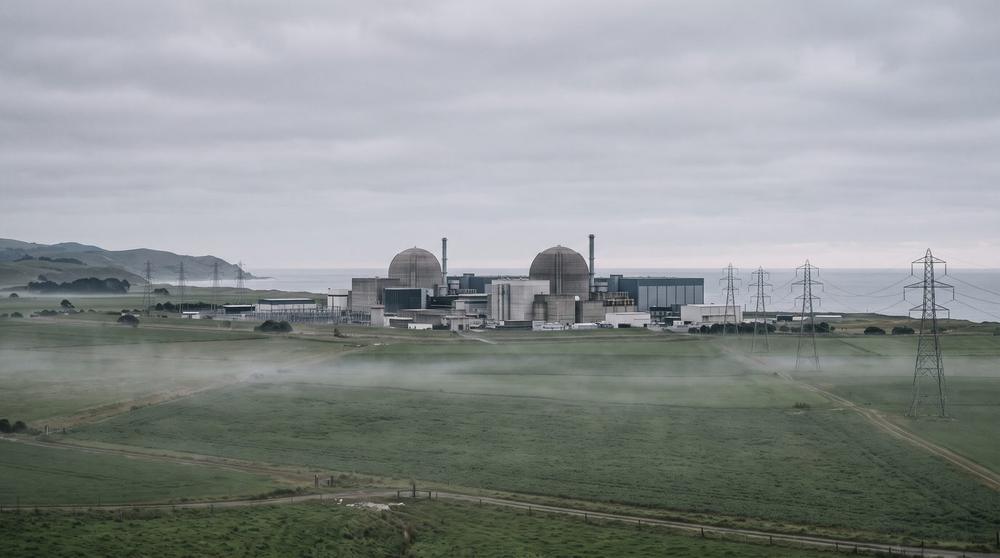
Two plants are in scope: Maanshan in Pingtung, whose last reactor shut on 17 May 2025, and Kuosheng No. 2 in New Taipei. Across four accounts of the vote, there is no megawatt figure for either, and no shutdown date for Kuosheng at all. The only sizing on record is a share: the vice minister put the two plants combined at about 10% of current generation, against a baseline he did not date.
Nor is there a restart date. The Nuclear Safety Commission approved Taipower’s Maanshan restart plan on 24 September, with further assessments still to come. Beyond that, the published timelines are advocacy: supporters say 18 months to three years, opponents say five to ten years and several hundred billion New Taiwan dollars. One source cites the World Nuclear Association putting independent safety inspections alone at 18 to 24 months, with generation possible “from about 2028.” That is a single-sourced estimate of a process, not a schedule.
Our take: The number that actually moved is the yes column, not the result. In August 2025 a Maanshan restart referendum drew 4,341,432 yes votes — 74% of valid votes — and still failed, because turnout was 29.5% and the yes total fell roughly 660,000 short of the same quarter-of-electorate bar. This time yes rose by about 700,000 and cleared it. Nothing in the electorate’s view of nuclear power changed that much in fifteen months. What changed is that this referendum was held alongside nationwide local elections and the last one was not. That is a procedural fact doing the work of a mandate, and it is worth remembering when the 43,129-vote margin gets described as a verdict. Meanwhile the demand case is the part with hard numbers behind it: Taiwan’s semiconductor industry drew more than 4.5 billion kWh in September, its first month above that line and up 11.55% year on year, while S&P Global has projected TSMC alone going from about 8% of national electricity in 2023 to nearly 24% by 2030. Taiwan imports more than 97% of its energy and holds roughly 11 days of LNG. That is the squeeze. A vote that repeals no statute and names no capacity does not relieve it.
What to watch
- The certified count. A 43,129-vote margin against a 5,000,959 threshold is thin enough that certification is not a formality. Watch for the CEC’s final figure and whether the threshold is restated.
- Whether the legislature amends the statutes. This is the only step that changes the law. If it does not happen, the vote’s effect is an obligation on agencies with no deadline attached.
- A capacity number. The first published MW figure for Maanshan and Kuosheng No. 2 is what turns “about 10%” into something a grid plan can use.
- Article 32. No new referendum on the same matter for two years, with the CEC deciding what counts as the same matter. That clock starts when the result is announced.