Berkshire Hathaway reported second-quarter results on Saturday morning, and the headline number is the least useful one in the filing. Net income more than doubled to $25.67 billion — about $17,928 per Class A share — from $12.37 billion a year earlier. Most of that jump is unrealised mark-to-market movement on a $323.8 billion stock portfolio Berkshire has no plans to sell, and the company has spent decades telling shareholders to ignore exactly this. It is the same paper-gain distortion running through this earnings season, just at Omaha scale.
The number that matters rose 16%. Operating profit reached $12.98 billion from $11.16 billion, ahead of analyst forecasts, and revenue — which had been going nowhere — rose 10% to $101.81 billion. Then there is the line investors have actually been waiting five years for: Berkshire ended June with $364.7 billion of cash, down from a record $380.2 billion three months earlier. It is the first time the pile has shrunk since Greg Abel took over as chief executive in January.
He did not shrink it by accident. Berkshire bought $23.5 billion of stocks in the quarter and sold $3.7 billion — a net purchase of nearly $20 billion that ends fourteen straight quarters as a net seller of equities. Roughly $10 billion of that was added to Alphabet, now one of its largest holdings. It repurchased $4.5 billion of its own shares between April and June, then more than $3.3 billion again in July, restarting a programme that had been paused for nearly two years. And in late July it closed the $6.8 billion cash purchase of homebuilder Taylor Morrison.
Add it up: roughly $38 billion walked out the door in four months.
Our take: The cash figure is softer than it prints, and that is the story. Reuters notes the $364.7 billion still includes the $6.8 billion Taylor Morrison cheque written in late July — and the $3.3 billion of July buybacks post-dates the balance sheet too. Roughly $10 billion is already spoken for. The question hanging over Berkshire since 2021 was never whether the cash existed; it was whether anyone would ever deploy it. That question got answered in a Saturday morning filing, not a shareholder letter.
Geico is the crack in the quarter
Insurance was the weak segment, and Geico was the weak spot inside it. Pre-tax underwriting profit at the auto insurer fell 45% as accident claims rose and marketing spend climbed — the bill for winning back customers shed during a multi-year push to tighten underwriting and cut overhead. Underwriting income across the insurance operations fell about 13% to $1.73 billion. Cathy Seifert, the CFRA analyst who covers Berkshire, called Geico’s quarter “absolutely abysmal” and said it raised “red flags” at a time when Allstate and Progressive are doing better.
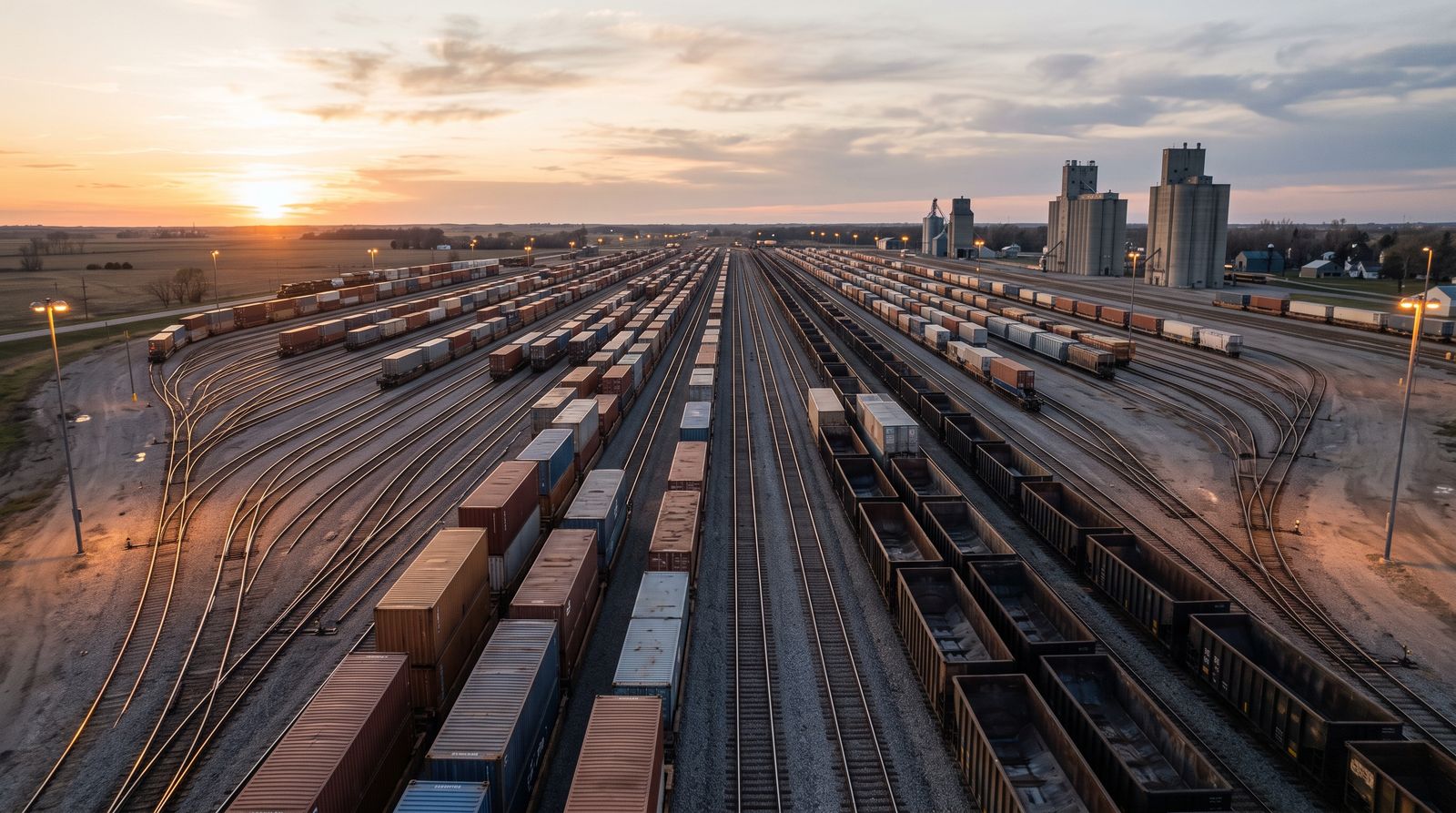
Everything else pulled the other way. BNSF profit rose 6% to $1.56 billion on higher consumer, agricultural and energy volumes. Berkshire Hathaway Energy rose 27% to $891 million on utility margins and tax credits. NetJets and electronics distributor TTI carried the service businesses. Berkshire also flagged “considerable uncertainty” around tariffs and wars, and softer demand at consumer units including its 103 car and truck dealerships, Fruit of the Loom and Forest River.
What to watch
- The 13F on August 14. Saturday’s filing confirms the Alphabet addition and the net purchase total. The 13F names everything else Abel bought.
- Whether July’s buyback pace holds. Berkshire policy permits repurchases only below intrinsic value “conservatively determined” by Abel in consultation with Buffett. $3.3 billion in a single month is therefore a statement about the price, not just the cash.
- Geico’s next move on rates. A 45% drop in underwriting profit alongside rising ad spend is a two-lever problem. If claims frequency stays elevated, the ad budget is the lever that gives.
- The performance gap. Class A shares are up about 3% in 2026 against roughly 13% for an S&P 500 sitting at record highs, and have trailed the index by 40 percentage points since the May 2025 succession announcement.
Buffett, who turns 96 on August 30, remains chairman and said last month that neither man is doing anything the other has not approved. The capital allocation now has one name on it — and, for the first time, a direction.