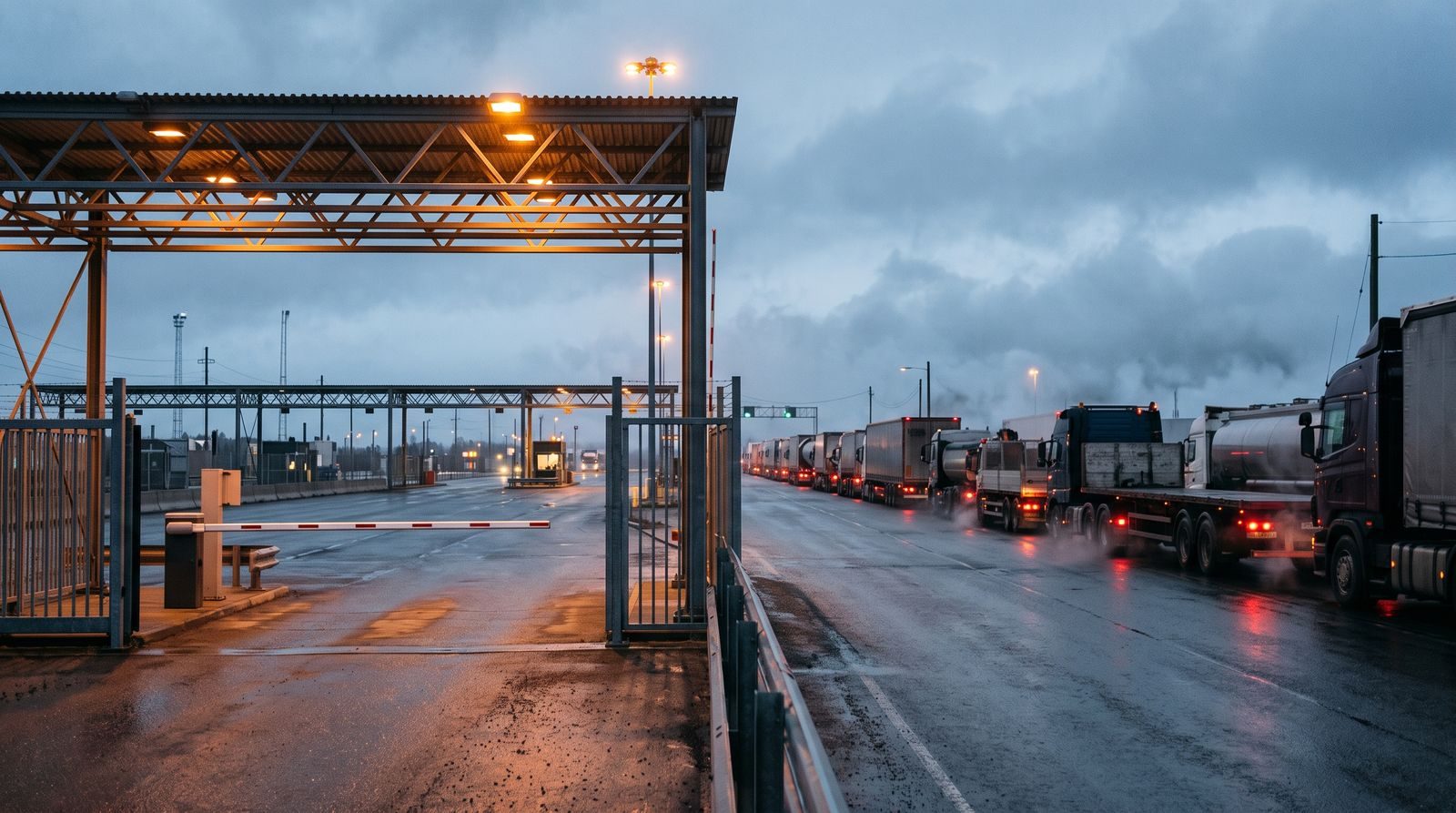
The 50% duties on Canadian goods were due to attach at 12:01 a.m. Eastern on Wednesday. Less than two hours before that, Trump posted that he had paused them.
“I have paused the 50% tariffs against Canada, that were scheduled to kick in tomorrow morning for a three day period, based on the fact that Canada and the U.S.A., subject to the finalization of documents, have a deal!” The proclamation suspending the duties was signed Tuesday, 18 August. The new expiry is the end of day Friday, 21 August.
Mark Carney’s statement did not use the word deal. After what he called intensive discussions, the Canadian prime minister said only that “substantial progress has been made, although there is important work still to be done.” That gap between the two readouts is the whole story of the next 48 hours.
What was actually about to hit
These are the Section 338 tariffs we wrote about on 2 August — a provision of the 1930 Tariff Act that had sat unused since Smoot-Hawley, requiring no investigation, no hearing and no agency finding. Three proclamations signed 20 July set them running against roughly 554 tariff lines. USMCA origin does not exempt you.
The exposure is around $20 billion of Canadian imports, concentrated in autos, alcohol and dairy. Those three sectors are not a random selection: the White House proclamation cites Canadian commitments to remove measures the administration considers discriminatory against US alcohol, dairy and motor vehicle exports. The tariff and the demand are pointed at the same three doors.
Our take: a three-day suspension is not relief, it is leverage with a timer on it. The duties were not cancelled, withdrawn or litigated away — they were parked, and the same proclamation power that parked them can start them again on Friday evening without a single new legal step. For anyone importing across that border, the planning assumption should not change: the 50% is still loaded, and the only thing standing between it and your landed cost is a document nobody has published. Note also what did not happen — the trade bar expected a court fight over an untested statute, and a deal reached before Friday means Section 338 goes back in the drawer with its legality never tested. That is the precedent worth watching, well after the Canadian file closes.
What to watch
- End of day Friday, 21 August. Either documents are finalised or the duties attach. There is no third setting written into the pause.
- Whether the text is published. “Subject to the finalization of documents” is doing an enormous amount of work in that sentence. Until the terms are visible, the deal is an assertion.
- The three named sectors. Any Canadian concession on alcohol, dairy or motor vehicle access is the tell that a deal is real. Silence on all three by Friday is the tell that it is not.
- Whether Section 338 gets used again. A statute dormant for 90 years has now been fired once and shown to move a counterparty in under a month. That is a template, and other trading partners will have noticed.
Cross-border importers spent this week pricing in a 50% duty and then unpricing it inside two hours. The cost of that whiplash does not show up in any tariff schedule, but it shows up in every quarter that follows — in hedges taken, orders pulled forward, and inventory sitting somewhere it would not otherwise be. Whatever happens Friday, that bill is already run up.