The Conference Board’s consumer confidence index fell 6.7 points in September to 81.9. The expectations index dropped 5.9 points to 63.6 — a third consecutive monthly decline, and far below the 80 line that has historically signalled recession. Twelve-month inflation expectations rose to 6.1%.
Inside the same survey, the share of Americans planning a vacation in the next six months rose to 42.6%.
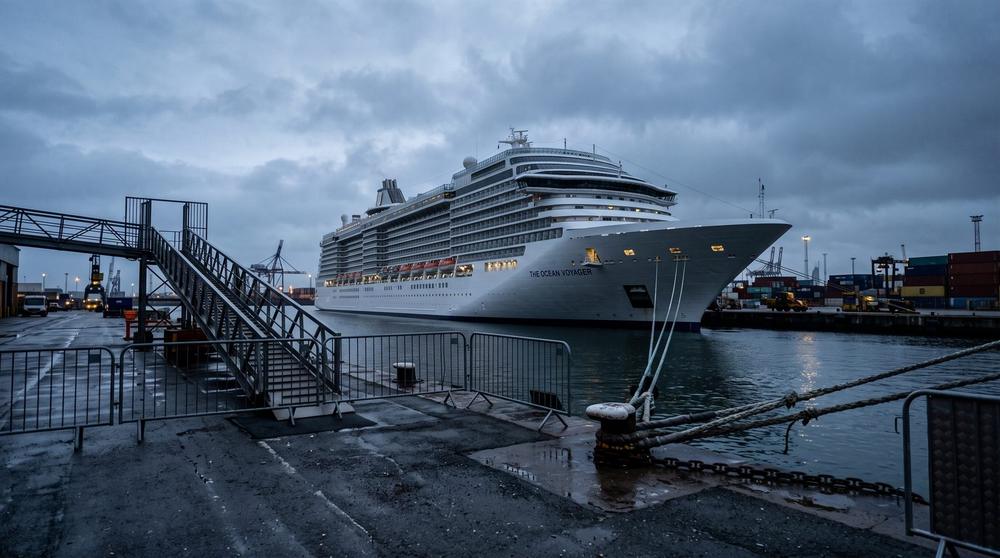
Two hours earlier, Carnival reported a fiscal third quarter that beat on both lines and told investors its 2027 books are already at record occupancy and record pricing. The stock rose roughly 9%.
The numbers, before the interpretation
Carnival’s revenue was $8.44bn against a $8.35–8.39bn consensus, up 3.5% year on year. Adjusted earnings came in at $1.43 a share versus $1.35 expected. Net yields rose 2.4% in constant currency, more than a point ahead of June guidance, and adjusted cruise costs excluding fuel rose 1.8%, a point better than guided. Full-year adjusted EPS guidance went to about $2.24 and full-year net income was raised by over $150m against June.
The forward number is the one that matters. Customer deposits hit a record $7.6bn, up nearly 7%. That is cash already handed over for voyages that have not happened, by consumers who told the Conference Board this month that they expect fewer jobs and higher prices.
Our take: Stop treating the confidence survey as a spending forecast. It has not been one for two years. Sentiment printed in the first percentile of its history last week and hit a seven-month low in August, and through both, experience spending kept clearing at higher prices. What the survey now measures is how people feel about prices and politics; what deposits measure is what they will actually part with. The gap is not irrational — it is composition. The households with $7.6bn of cruise deposits on file are not the households whose expectations index is collapsing. A survey that averages both tells you about neither. Watch deposits, not diffusion indices.
The margin line is the honest caveat
Carnival’s operating margin was 26.3%, down from 27.9% a year ago. Revenue grew 3.5%; passenger cruise days grew about 400,000 to 27.9 million. That is a business adding capacity into strong demand and giving back some unit economics to do it — fine while yields hold, less fine if 2027 pricing has been locked in ahead of a cost base that has not been.
The balance sheet keeps improving: another $500m of 7% notes redeemed in the quarter. With long rates at 22-year highs, retiring high-coupon paper is worth more than it was when the same move looked routine.
What to watch
- Q4 net yields. Guided to about +1.7%. That is a deceleration from Q3’s 2.4% and the first test of whether pricing is topping.
- Deposits at the January print. Record deposits in September are a 2027 statement. Whether they still look like that after the holidays is the real read on the consumer.
- Fuel. Crude is near $92 WTI with the Strait of Hormuz still unresolved. Cost guidance excludes it for a reason.
- Whether the split holds elsewhere. Airlines are reporting the same bifurcation — premium demand intact, main cabin soft.
The tidy story is that consumers are cracking. The tape keeps declining to confirm it. Until deposits fall, the survey is describing a mood, not a budget.