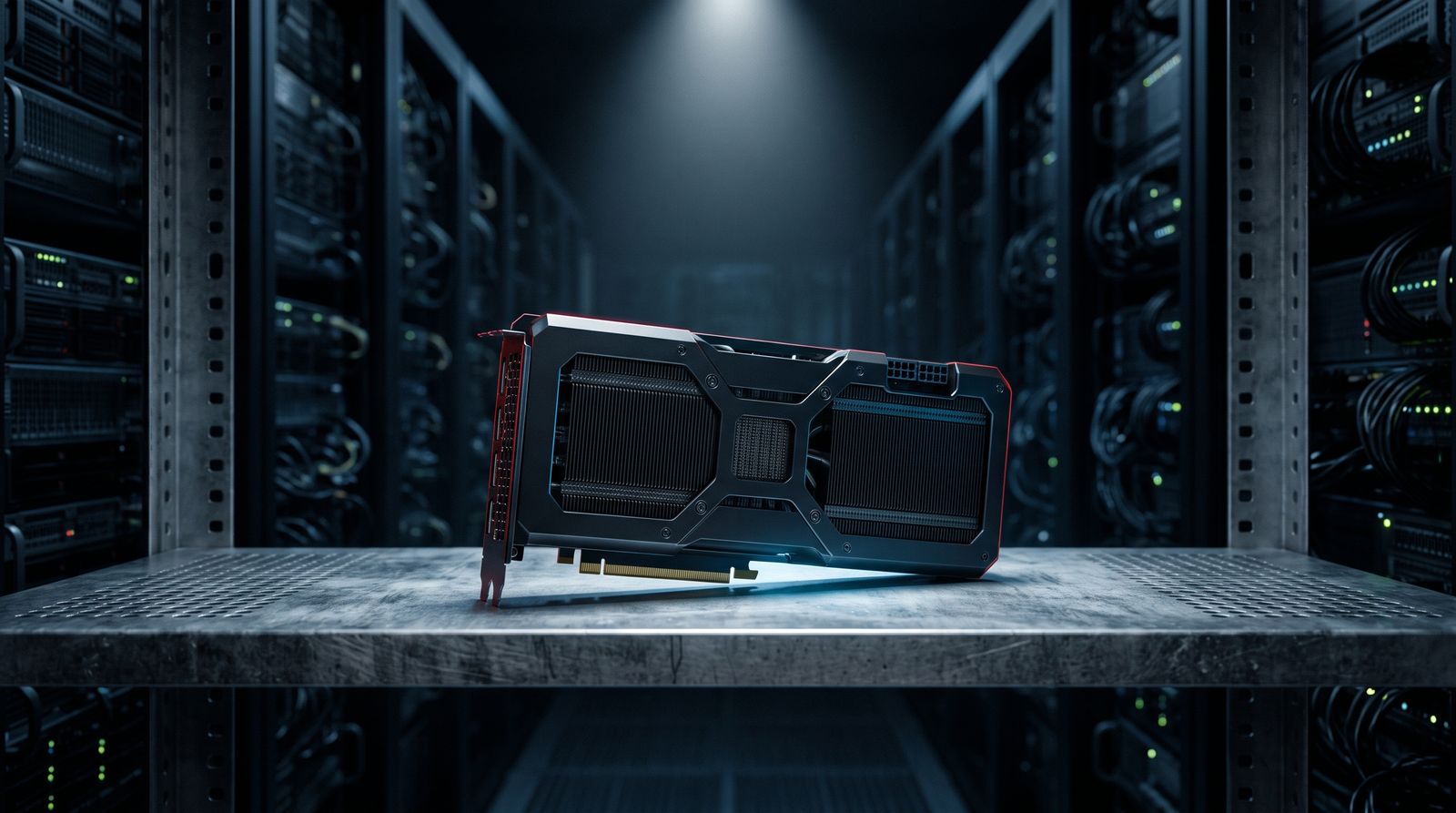
A plan reported by The Information would thaw a months-long freeze on China’s access to the most advanced imported silicon. Beijing is preparing to let a short list of national champions — Alibaba, ByteDance and DeepSeek among them — buy Nvidia’s H200, the data-center GPU Washington cleared for China back in late 2025. The volumes are deliberately small: under 200,000 chips in total, according to the report, and less than half of what those companies asked for this year. Nvidia shares ticked higher on the news — because even a rationed China is a market Nvidia had all but written off.
The restrictions are where the strategy shows. The H200s can reportedly be used only to train models, and only on public data — not to serve them at scale. For inference — the far larger, more repetitive workload of actually running AI for users — Beijing is directing its firms to prioritize domestic processors, including Huawei’s. In other words, China is splitting the AI stack in two: rent the world’s best chips for the job it can’t yet match, and force everything downstream onto hardware it controls. That is industrial policy dressed as a purchase order.
The framing matters because the usual story is about American export controls. This is the mirror image: the choke point here is Beijing’s, not Washington’s. China spent the past year steering its champions away from Nvidia to force-feed demand to domestic chipmakers, and it is now cracking the door only wide enough to keep its frontier labs training competitive models — without surrendering the volume business that funds Huawei’s catch-up. None of it is final: the report describes a plan still under discussion, and every number should be treated as provisional. But the direction is unmistakable, and it lines up with everything China has done to build its own frontier stack.
Our take: Read the split, not the headline. “China buys Nvidia again” sounds like a thaw; “training only, inference at home” is a containment strategy. Beijing has decided the H200 is a temporary crutch for the one job — training frontier models — where Huawei still trails, and a threat everywhere else. Capping imports below what firms requested isn’t scarcity by accident; it’s a forcing function to keep domestic silicon in the loop. Nvidia gets a sliver of a market it lost. Huawei gets protected demand. China gets to train on the best hardware money can buy while it closes the gap on its own terms.
What to watch
- Does the plan survive contact with reality? This is a leak, not a license. Watch for an actual approval, an order, or a shipment — not just the report.
- The inference wall. The real tell is enforcement. If Alibaba and ByteDance quietly run inference on H200s anyway, the domestic-chip mandate is theater. If they don’t, Huawei just won guaranteed volume.
- Huawei’s ramp. Every chip Beijing reserves for domestic inference is a bet Huawei can deliver. Yield and supply, not policy slides, decide whether that bet pays.
- Washington’s reaction. The U.S. cleared the H200 for China once. A 200,000-unit training cluster in Chinese hands could reopen that debate in a hurry.
For all the noise about who’s ahead on models, the 2026 AI war keeps coming back to who controls the machines underneath them. China just answered for its own side: borrow the best for training, build the rest at home. It’s the same logic driving every hyperscaler’s scramble to design its own silicon — only this time it’s written in Beijing’s hand.