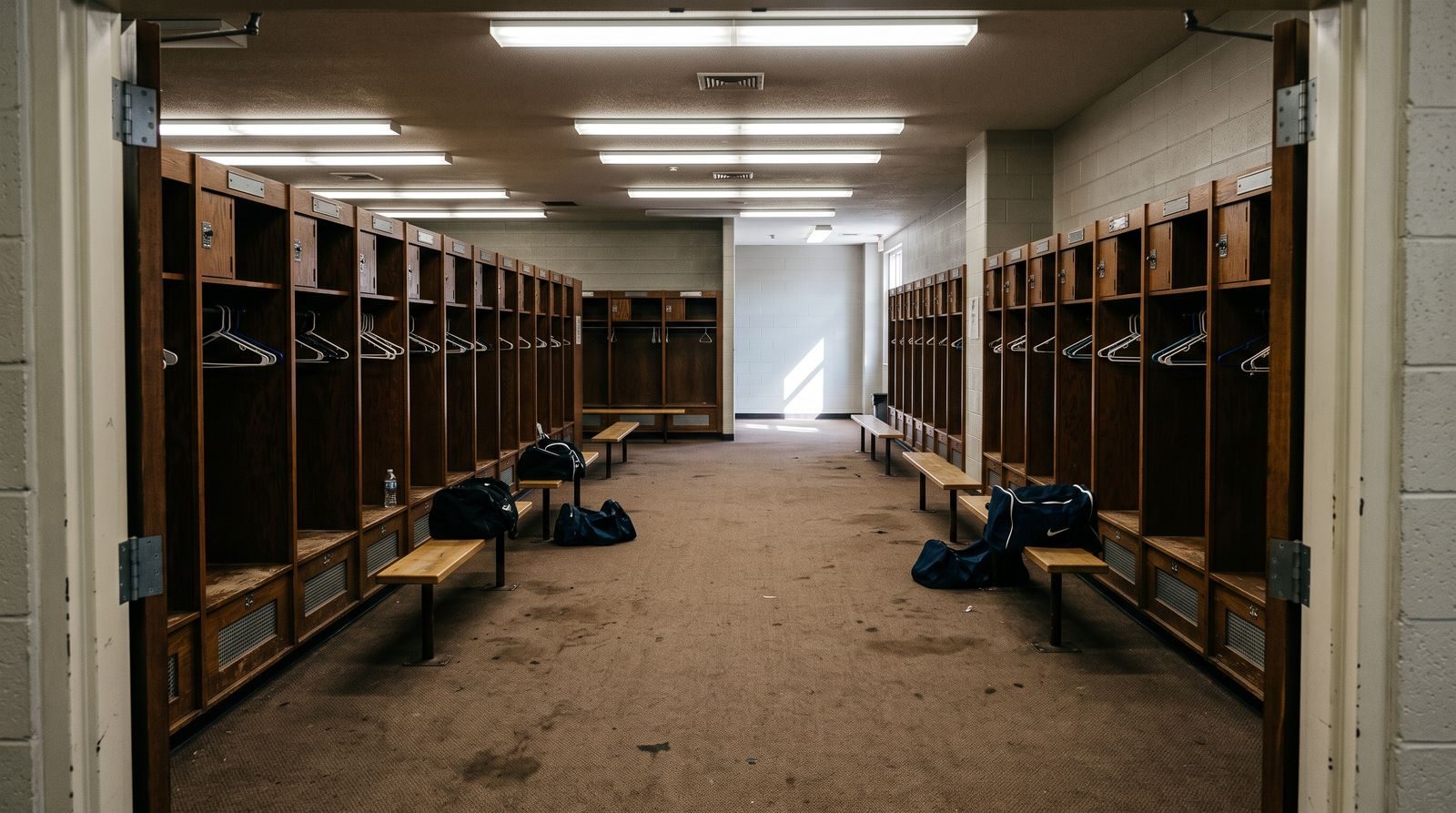
NFL teams carry up to 90 players through training camp and have to be down to 53 by Sunday at 6 p.m. Eastern. Do the arithmetic across 32 clubs and it comes out at 1,184 people who will be told, in a single afternoon, that the season they spent all summer preparing for is not happening for them.
That number is normal. The calendar is not. In recent years the deadline landed on the Tuesday after the last preseason weekend — last season it fell on August 26. This year the league moved it to Sunday, August 29 being the last night of exhibition football. A staff that plays Saturday evening now has roughly eighteen hours to grade the tape, get the injury report, work the phones on trades and decide the bottom eight or nine spots on the roster.
Two days of film review have been replaced by one restless night.
What that actually changes
Almost nobody in the top 40 of a roster is affected. Those decisions were made in July. The compression falls entirely on the margin — the undrafted rookie who had a good third preseason game, the veteran on a non-guaranteed deal, the fourth tight end whose case rests on special teams reps that take time to evaluate properly.
Those are exactly the players whose evidence arrives last and needs the most careful reading. Cut the evaluation window and you do not get worse decisions on stars. You get more decisions made on prior belief rather than fresh performance: draft position, contract structure, positional depth math, who the coordinator already trusts. The late riser loses the most, because the mechanism by which a late riser gets noticed is somebody sitting down with the tape on Monday morning.
Our take: This is a familiar performance-management failure dressed in shoulder pads. When you shrink the window between the final assessment and the decision, you are not speeding up judgment — you are quietly replacing it with the assessment you had walking in. Every organisation that has ever run a rushed calibration meeting knows the result: incumbents survive, recency loses to reputation, and the person whose case required an extra hour of attention gets rounded down. The NFL just built that into its calendar for 1,184 people.
The 48 hours after are where jobs are actually saved
Being cut on Sunday is not the end of the process, and the rules matter:
- Under four accrued seasons: waivers. Those players are exposed to the whole league, with their existing contracts attached. Any team can claim them. Claims are due Monday, August 31 at 1 p.m. ET.
- Four or more accrued seasons: immediate free agency. Vested veterans clear straight through and can sign anywhere right away, which is why some of the better names available on Sunday night are signed elsewhere by Monday lunchtime.
- Practice squads form the next day. Each team can carry up to 16, reported to the league within 24 hours of the initial roster. For a large share of Sunday’s cuts, this is the actual destination — a paid, roster-adjacent job, often with the same team that just released them.
What to watch
- Trades before the buzzer. A compressed deadline pushes teams to convert surplus into late-round picks rather than lose players for nothing. Expect more Saturday-night and Sunday-morning deals than usual.
- Claim volume on Monday. If waiver claims spike, it is evidence that clubs made hurried cuts and rivals had better information about their own board than the releasing team did about its.
- Whether anyone complains publicly. Coaches rarely criticise the calendar. If several do this week, the deadline moves back next year.