Three weeks ago the number was $250 billion. This weekend it is under $120 billion — and it no longer covers the whole building.
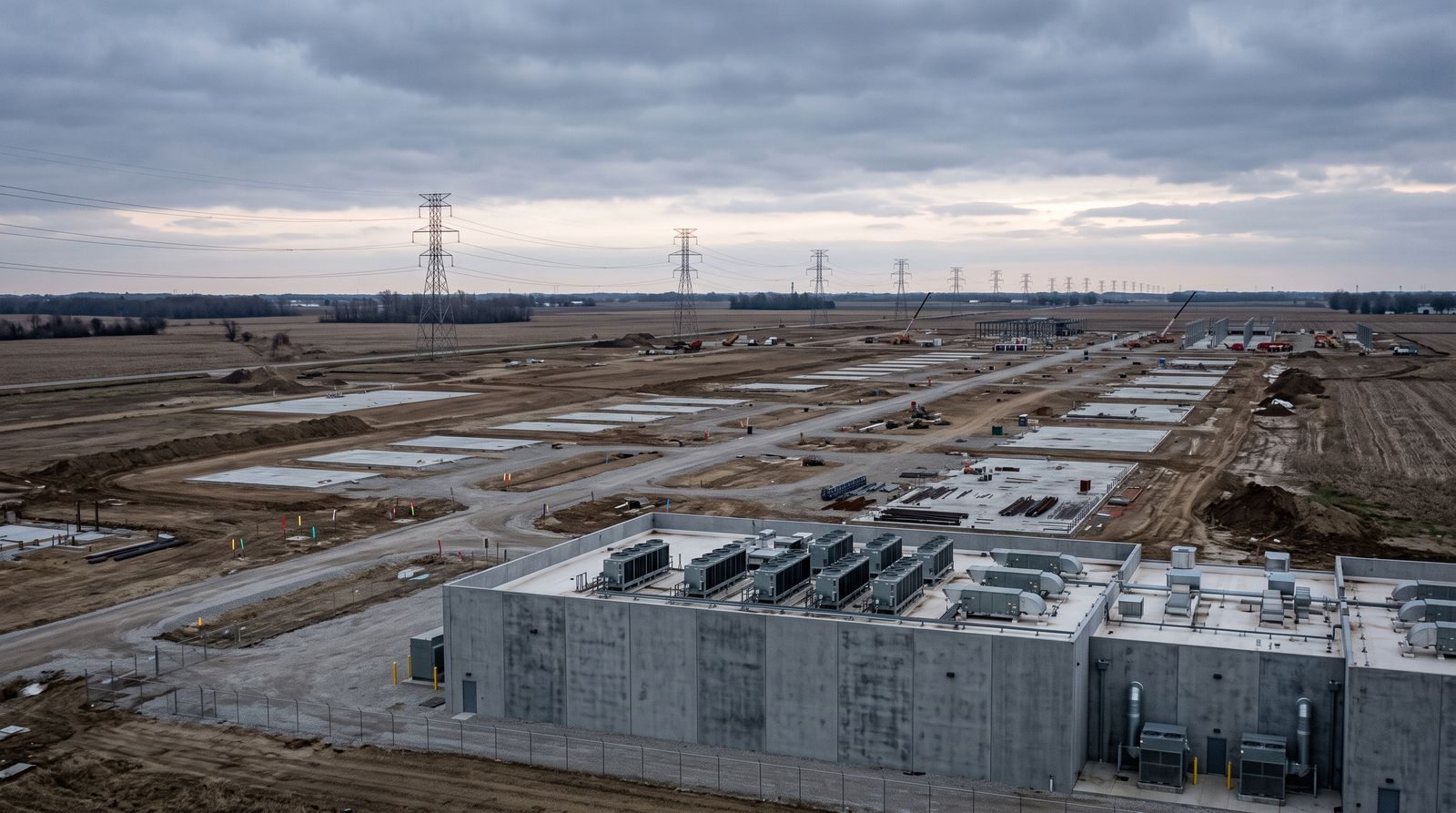
The Wall Street Journal reported on Friday that Nvidia and OpenAI are close to an agreement in which Nvidia guarantees OpenAI’s obligations on only the first phase of the Pike County, Ohio campus, rather than the full ten-gigawatt buildout SB Energy is developing on Department of Energy land. Reuters and the wires picked it up the same evening. Neither Nvidia nor OpenAI has confirmed the revised figure, and the reporting says a deal could be signed within days — so treat the exact number as a leak, not a filing.
What is not in dispute is the direction. When the $250 billion talks first leaked in late July, Nvidia stock fell about 5% in a session. The cut, per the reporting, came after investors pressed the company on how much off-balance-sheet exposure it was accumulating to a single customer. Shareholders complained about the size of the guarantee, and the guarantee got smaller. That is a cleaner feedback loop than this cycle usually produces.
Phasing is the whole story
A backstop on ten gigawatts is a twenty-year bet that AI demand in 2035 justifies a campus that does not exist yet. A backstop on phase one is a bet on the next two or three years, with an option to re-underwrite the rest when there is operating data to look at. Same project, radically different risk profile — and radically different optics for a company whose customers, suppliers and now tenants increasingly appear on both sides of its own income statement.
It also tells you something about who blinked. OpenAI still has no investment-grade rating, and the lease still needs a co-signer to clear at sane borrowing costs. If the guarantee shrinks, either the project shrinks, the cost of capital rises, or somebody else — SoftBank, a bank syndicate, the private credit market — takes the piece Nvidia handed back. Broadcom’s own financing backstop got repriced by the market for the same reason: guarantees are invisible right up until they aren’t.
Our take: This is the first time in the 2026 buildout that a circular-financing number moved down. Every prior revision — capex, chip commitments, lease terms — went the other way. One data point is not a trend, but it establishes that these structures are negotiable under shareholder pressure, which is more than the market assumed a month ago. Watch whether the discipline holds when the chip tranche is negotiated, because that one was reported at up to $350 billion and it sits much closer to revenue.
What to watch
- Whether it actually signs. Reports said as soon as this weekend. A signed agreement with disclosed terms is worth more than three weeks of leaked numbers.
- Who absorbs the gap. The financing need did not shrink just because Nvidia’s share of it did.
- Nvidia’s next disclosure. Total customer guarantees outstanding is the line item that matters, and it is still not broken out cleanly.
- The GPU financing track. Vendor-financed chip sales are a separate and larger conversation from lease guarantees.
- Phase two timing. If phase one lands on schedule, the remaining gigawatts get re-underwritten in a very different rate and demand environment.
The shape of the AI economy has been one-directional for eighteen months: bigger commitment, bigger guarantee, bigger number. Three weeks ago the Ohio guarantee was the largest ever contemplated. It is now roughly half that, because people who own the stock asked what happens if 2029 disappoints. Keep asking.