Saudi Arabia, Russia, Iraq, Kuwait, Kazakhstan, Algeria and Oman met by video call Sunday and agreed to raise September quotas by 188,000 barrels a day — the same number, for the fourth month running. The statement carried the usual furniture: accelerated compensation for members that overproduced since January 2024, a reaffirmed commitment to the Declaration of Cooperation, monthly meetings, next one September 6.
What's different is that this one finishes something. The increase completes the unwinding of the second of three cut packages the group stacked up between late 2022 and 2023 — rounds that together pulled almost six million barrels a day off the group's official targets. “OPEC+ has finished unwinding its voluntary cuts,” Rystad Energy's Jorge León said after the decision. “The next challenge is managing the surplus that could emerge as export flows normalise.”
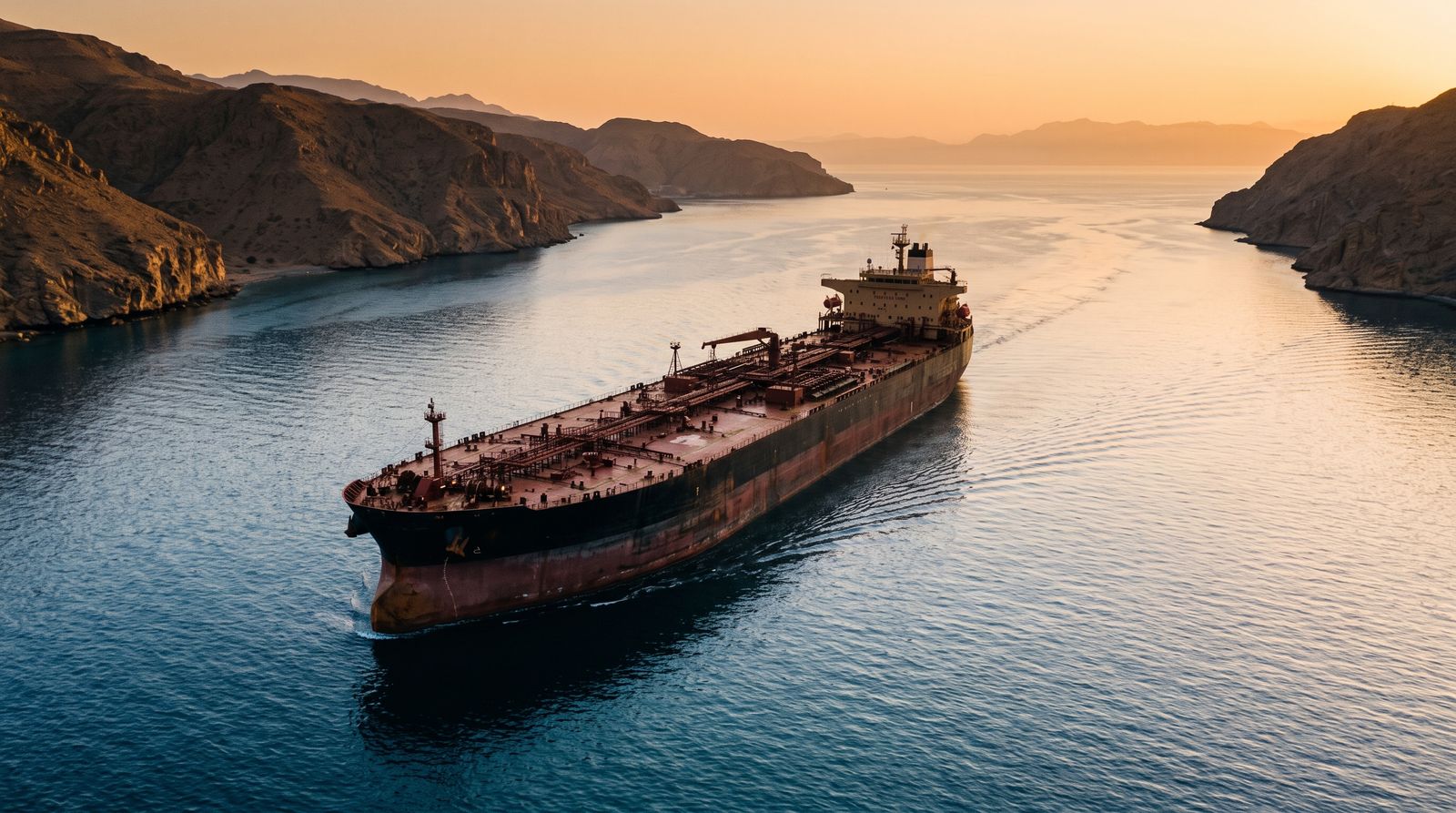
Except flows are not normalising, and that is why the number is nearly weightless. Brent settled Friday at $90.12, up 1.2% on the day and up 24% for July — its strongest month since March — after Iran's Revolutionary Guards stopped two tankers in the Strait of Hormuz and four more changed course. WTI closed at $84.67, up 21% on the month. Kpler tracking had traffic through the chokepoint sparse enough that two loaded VLCCs clearing the strait counted as news. A month ago this site was writing about Brent parked at $72. Nothing OPEC+ decided in the interim moved it; the waterway did.
The paper-versus-barrels gap runs deeper than the strait. Russia is currently pumping around nine million barrels a day against a 9.8 million target, its infrastructure worked over by repeated Ukrainian drone strikes. Many members simply cannot reach their allocations at all: raising targets “has become less meaningful” where production capacity has declined, UBS analyst Giovanni Staunovo noted. The group is handing out permission slips for barrels that don't exist, into a market that couldn't ship them if they did.
Our take: OPEC+ has just spent its last easy lever, and the price tape didn't notice. That's the whole story. For 18 months the cartel's monthly meeting was a genuine market event; now the restoration campaign is over, the base case is a fourth-quarter pause, and the next real decision is the 2027 quota fight — the first one held without the UAE, which walked out on May 1. León's warning is the line to keep: “geopolitics is masking the scale of the supply increase.” Somewhere behind the $90 print sits a pile of restored quota nobody has had to absorb yet. If Hormuz reopens properly, that supply and the war premium unwind at the same time, and $90 crude gets re-rated fast in both directions at once. Anyone treating this year's energy trade as a one-way geopolitical bet is short an option they haven't priced.
What to watch
- Hormuz throughput, not headlines. The chokepoint historically carried roughly a fifth of global crude and gas. Tanker counts and war-risk premiums tell you more about next month's price than any communiqué does — insurance has already repriced once.
- September 6. First meeting with nothing left to unwind. A pause is expected; anything else — a cut, or the third package coming off — means the group is seeing a surplus the tape isn't.
- Compensation schedules. The statement leaned on overproducers making up volumes back to January 2024. That's the mechanism that quietly offsets headline hikes; watch whether Iraq and Kazakhstan actually deliver.
- Russian output. Nine million versus a 9.8 million target is 800,000 barrels of missing supply nobody is counting as a cut. Drone strikes on refining and export infrastructure are now a de facto OPEC+ policy tool that OPEC+ does not control.
- Producer margins. Big Oil already banked a war-priced quarter. The Q3 print is where you find out how much of $90 was real cash and how much was inventory timing.