The seven core OPEC+ producers met on Sunday and agreed to leave November output where it is. The required level stays at the September 2026 figure — 31 million barrels a day across Saudi Arabia, Iraq, Kuwait, Oman, Algeria, Russia and Kazakhstan. It is the second consecutive month of frozen targets, extending the pause the group took for October after six straight months of increases.
September had completed the unwind of 1.65 million barrels a day of voluntary cuts first made in 2023. A separate 2 million barrels a day of reductions dating to 2022 stays in place through year-end. The group said it will keep meeting monthly; the next session is November 1.
Prices barely registered it, because the decision was telegraphed. Brent settled Friday at $102.25 a barrel, close to flat on the day and down about 2% on the week. WTI closed at $91.11, off 1.9% on the day and 1.4% on the week. Reuters and Bloomberg both reported the outline of the agreement before it was confirmed.
The quota is not the constraint
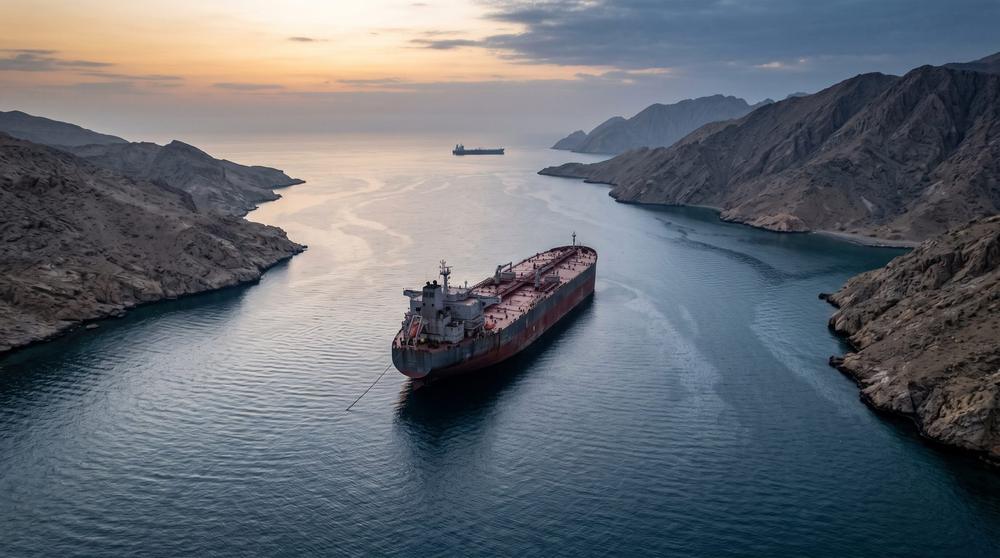
Here is the part that matters more than the number. Most OPEC+ members are currently producing below their assigned quotas. The Strait of Hormuz has been functionally closed since February 28, when fighting between the United States and Iran began, and that waterway normally carries roughly a fifth of the world’s seaborne crude and LNG.
So the group is holding a ceiling that almost nobody is pressing against. Raising the target would have produced headlines and no barrels. Lowering it would have conceded that the ceiling is decorative. Freezing it is the only move that does not require the cartel to say out loud which of those two things is true.
Our take: OPEC+ has spent two decades being the marginal supply signal for crude, and for most of this year it has not been. A 31 million barrel-a-day quota only tells you something if the members can physically deliver 31 million barrels a day, and with Hormuz shut they cannot. The price of Brent above $100 is not a statement about cartel discipline — it is a statement about a chokepoint. That is why the meeting moved nothing: the decision that sets the oil price this quarter is not taken in Vienna. If you are modelling energy costs, stop tracking the quota and start tracking the gap between the quota and actual loadings. That gap is the spare capacity story, and right now it is the whole story.
What this does to the downstream math
A frozen quota with constrained logistics is the worst combination for anyone buying refined product rather than crude. Crude can sit at $102 while the products that matter to a freight or manufacturing budget — diesel in particular — move on refinery access and routing, not on the headline barrel. The G7 reserve release earlier this week was aimed at exactly that spread, and it is the better tell than the flat price.
It also means the group has given itself no cushion to use if the strait reopens. If transits resume, the barrels that come back are barrels already inside the existing 31 million target — no new quota decision required, no announcement, no meeting. Supply would arrive faster than the policy process that nominally governs it.
What to watch
- The quota-to-actual gap, monthly. Published quotas are now a ceiling rather than a forecast. The difference between assigned and delivered is the only number in this release with information in it.
- Hormuz transit counts. Not the diplomatic headlines — the vessel traffic. A sustained recovery in transits puts barrels into the market without any OPEC+ action at all.
- The November 1 meeting. Three consecutive freezes would confirm the group has decided to sit out the conflict rather than manage it. A cut would be the more interesting signal: it would mean they expect the strait to reopen.
- The 2 million barrels expiring at year-end. The 2022 cuts lapse in December. Whether the group extends them is the first real decision it has had to make since the strait closed.
- Diesel cracks over flat price. Brent near $102 has been stable for weeks. The refined spread has not been, and that is what shows up in freight and input costs.
Two independent reports put the November target at the September level, and the official statement matches. The decision is confirmed. What it means is simply less than it used to: a cartel can only ration what it can ship.