Apple sued OpenAI in July, naming the company, Jony Ive’s io Products, and two former Apple hardware people — Tang Yew Tan, who ran product design for iPhone and Apple Watch, and Chang Liu, a senior systems electrical engineer of eight years — and accusing them of lifting confidential designs, manufacturing detail and supply-chain strategy to build OpenAI’s first consumer device. This week OpenAI filed its answer: a 31-page motion to dismiss, in the Northern District of California, calling the case “baseless and pretextual.”
The rhetoric got the headlines. Bloomberg counted variations of the word “fail” nearly 50 times in the filing, most of them pointed at Apple’s record in the market for AI talent and AI products. But the load-bearing legal argument is quieter and much more interesting: OpenAI says Apple did not keep the information secret in the first place.
Specifically, OpenAI argues Apple permitted employees to run work through personal iCloud accounts and did not reliably revoke access once those employees left. It attached text-message records it says show an Apple manager still logged into Liu’s personal iCloud account after he had departed for OpenAI — using it to transfer files, and later asking him for help with technical questions about Apple projects. OpenAI’s framing is that Apple’s complaint omits the consequences of its own “inexplicable information-management practices.” Apple has rejected the characterization, saying its iCloud handling played no role in the alleged theft.
Our take: Trade secrecy is not a status you own, it’s a condition you maintain. Both the federal Defend Trade Secrets Act and California’s version require that the holder took measures reasonable under the circumstances to keep the thing secret — so a defendant can win by attacking your hygiene rather than denying the taking. That is what makes this filing worth reading even if you never ship hardware. OpenAI’s best argument here isn’t about OpenAI. It’s a discovery request pointed at Apple’s offboarding process, and it lands because the offboarding process is a thing companies genuinely do badly. Whether it works is up to a judge. Whether it should scare you is not.
The second argument: name the secret
OpenAI’s other thrust is specificity. It says Apple never identified which trade secrets were taken, describing them instead as “generic categories of the product-development process — such as component manufacturing, product testing, vendor and supplier relationships, and distribution channels.” Courts routinely make plaintiffs particularize; “our supply chain knowledge” is a business function, not a secret. OpenAI also argues Apple has not shown it owns a protectable secret or plausibly alleged misappropriation by any individual defendant, and that the suit was filed without adequate investigation.
Apple is not standing still. It moved for a preliminary injunction and expedited discovery earlier this week, seeking to bar use of the material while the case runs, and said in a subsequent filing that additional former employees may have taken confidential data with them to OpenAI. Its original complaint claims more than 400 ex-Apple employees now work at OpenAI, and that Apple wrote to OpenAI in February raising concerns and got no reply. A hearing on Apple’s injunction and discovery motions is set for October 1.
Why this is an operations story
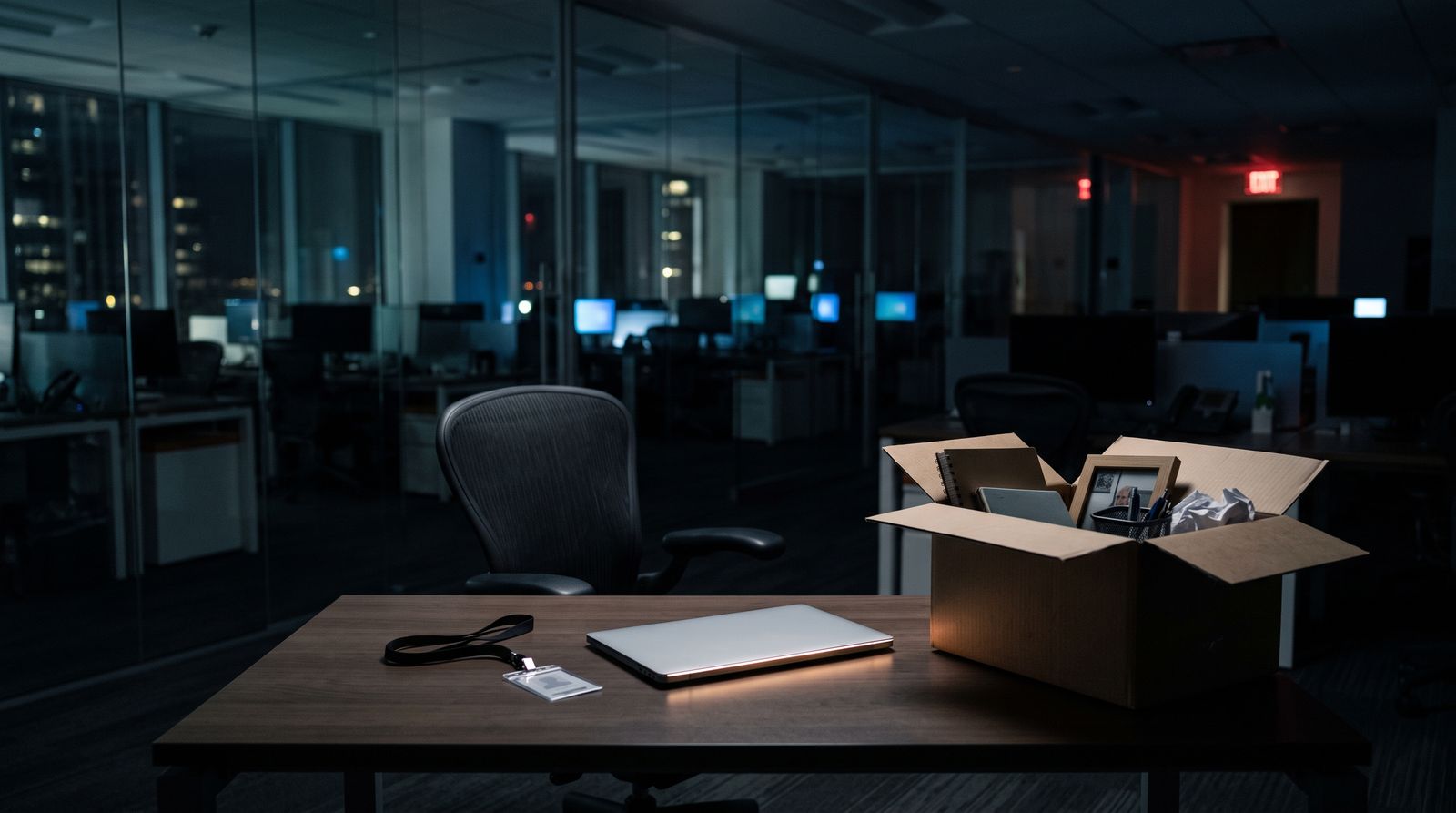
Strip out the celebrity defendants and you have the most common corporate security failure there is: the gap between the day someone resigns and the day their access actually dies. Credentials survive exit interviews. Personal cloud accounts hold work files because someone needed to finish a deck on a Sunday. A hardware team ships faster when the rules bend, and nobody writes down which rules bent.
That gap is normally an IT ticket. In litigation it becomes the case. It is the same structural problem the industry keeps rediscovering from other angles — frontier labs breaching real companies during safety tests, or 143,000 vulnerabilities found across public MCP servers. The controls exist. The enforcement is uneven, and the enforcement is what a court measures.
What to watch
- October 1. The injunction hearing is the first real read on how the judge weighs Apple’s urgency against OpenAI’s hygiene attack. An injunction denied is a much longer, much better year for OpenAI’s hardware timeline.
- Whether Apple particularizes. If Apple responds with a narrow, specific list of secrets, the case gets stronger and smaller. If it keeps describing categories, expect the specificity argument to keep working.
- Discovery into Apple’s own controls. The most damaging outcome for Apple may not be losing. It’s a public record of how a company famous for secrecy actually manages departures.
- The 400-employee number. Talent flow between the two is the real subtext. Every one of those transitions is a potential exhibit, in either direction.
- Your own offboarding runbook. Concretely: is access revoked the same day, is personal-cloud use for work prohibited and audited, are devices actually returned, and can you produce a specific list of what you consider a trade secret? If the answer to the last one is “our processes,” you don’t have a claim — you have a category. See also our earlier coverage of the original Apple complaint.
Apple built a reputation on keeping things quiet. OpenAI’s bet is that reputation and practice drifted apart, and that a judge will notice.