Apple sued OpenAI on Friday in the U.S. District Court for the Northern District of California, alleging a coordinated campaign to steal its confidential hardware secrets — and pointing the finger at two of its own former engineers. The complaint names four defendants: OpenAI; io Products, the design firm OpenAI bought last year for about $6.5 billion that was co-founded by former Apple design chief Jony Ive; and two ex-Apple employees now at OpenAI, chief hardware officer Tang Tan and engineer Chang Liu. “At every level, from members of its Technical Staff to its Chief Hardware Officer, and in coordination with business partners, OpenAI has been stealing Apple’s trade secrets and confidential information,” the filing reads.
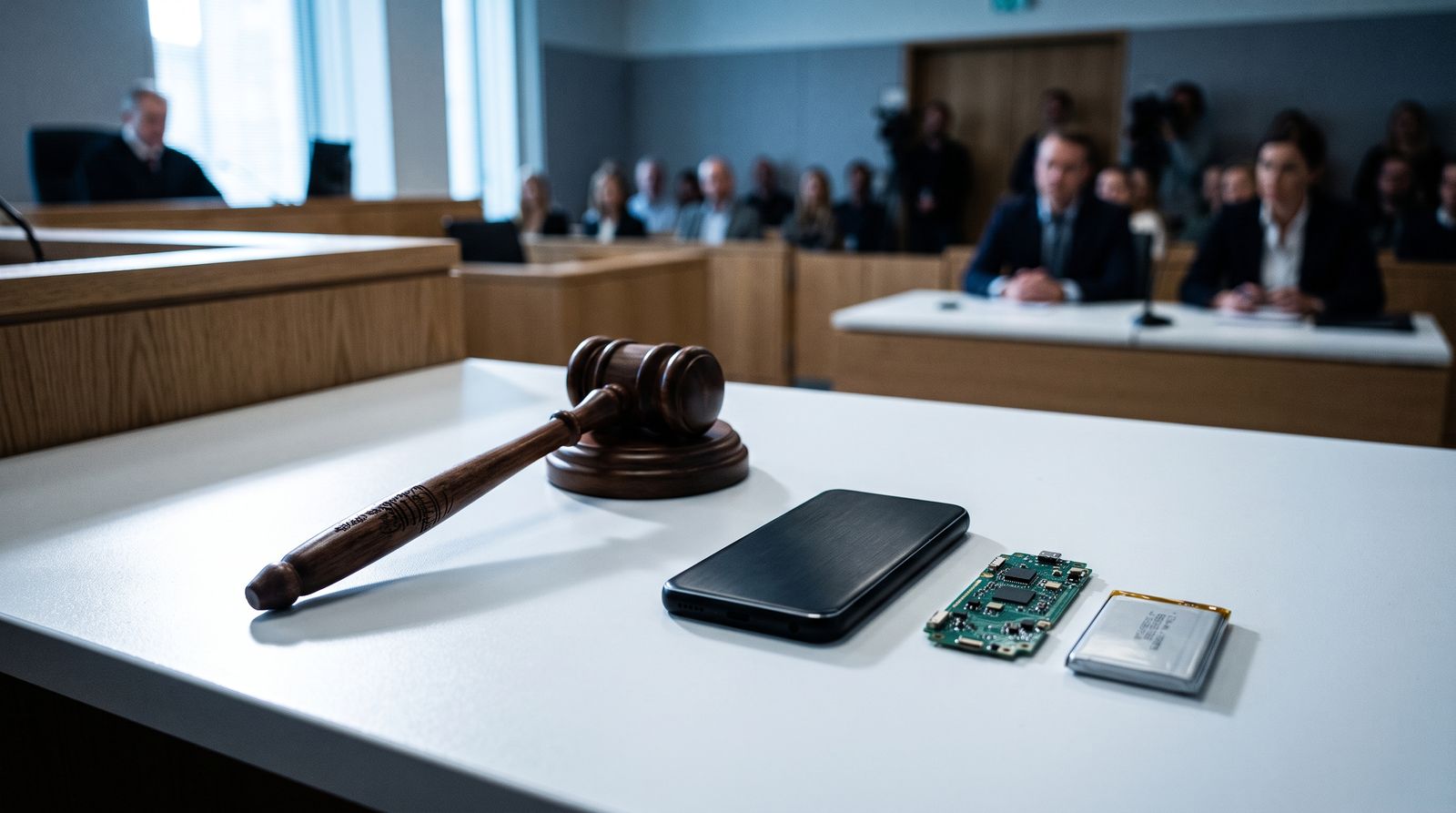
The most vivid allegation isn’t about a stolen file — it’s about a job interview. Apple says Tan, who spent 24 years at the company and rose to vice president of product design for the iPhone and Apple Watch, instructed Apple employees interviewing at OpenAI to bring “actual parts” — batteries, logic boards, system-in-package modules — to “show and tell” sessions, so his team could pull still more confidential detail out of candidates who hadn’t even been hired. Liu, another former Apple employee, is accused of walking unreleased product information out the door with him. Apple is seeking actual damages, unjust-enrichment damages, a royalty, exemplary damages, attorneys’ fees and an injunction to halt the alleged theft. No dollar figure is attached, and Ive himself is not named.
What makes this more than a poaching spat is what the secrets are for. OpenAI’s io team is building the company’s first piece of consumer hardware — a screen-free, voice-first device, reported to be a camera-equipped smart speaker, that OpenAI wants to unveil later this year and manufacture in volume through Foxconn. In other words, Apple is accusing the one rival that hired away its design DNA of using that DNA to build the gadget meant to make people reach for their iPhone a little less. OpenAI denies it: “We have no interest in other companies’ trade secrets. We remain focused on building innovative technology that empowers people everywhere.”
Our take: Apple almost never litigates like this, and the language — “at every level” — is the point. This suit isn’t really about a few smuggled logic boards; it’s about the post-iPhone device and a talent pipeline draining toward OpenAI. Filing now, before the gadget even ships, hands Apple two weapons: the threat of an injunction that could freeze a launch, and a chilling message to every Apple engineer weighing an OpenAI offer. A one-line denial won’t settle this — discovery will, and discovery is exactly where an unreleased product gets dragged into open court.
What to watch
- The “actual parts” paper trail. Poaching engineers is legal; directing pre-hire candidates to smuggle in physical components is far harder to wave away. If Apple has the messages to prove it, this gets expensive fast.
- Launch timing. OpenAI wants its device out this year. Trade-secret plaintiffs routinely seek preliminary injunctions — a judge who bites could stall the unveiling.
- Named individuals. The suit targets Tan and Liu personally, not just corporate OpenAI. That’s a deliberate signal to the rest of Apple’s hardware bench.
- Ive’s exposure. His io Products is a defendant; he is not — yet. Whether that holds through any amended complaint is worth tracking.