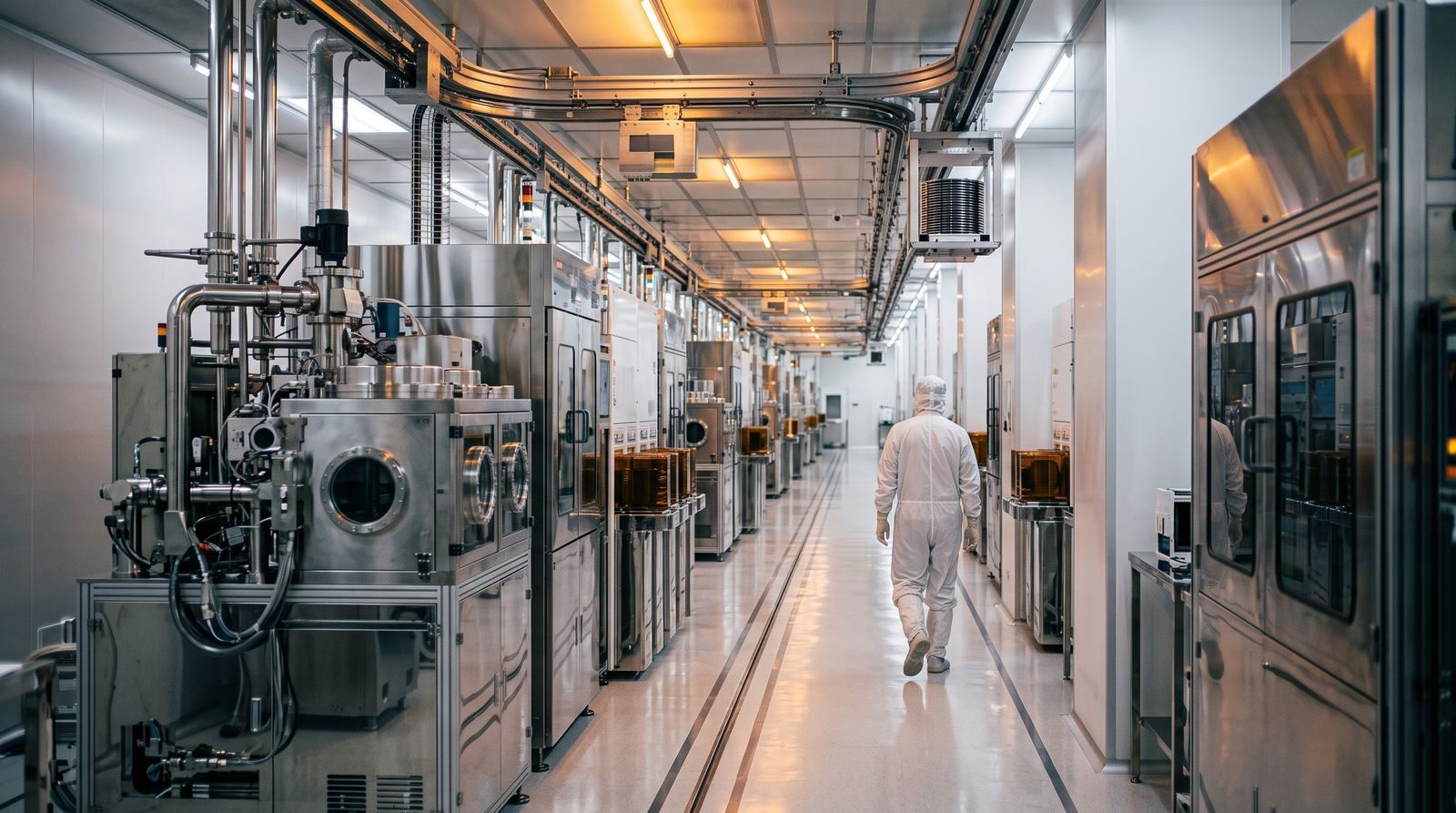
Samsung Electronics has raised prices on new orders for some of its most advanced contract chipmaking work by as much as 15%, Reuters reported Wednesday, citing people familiar with the matter. Customers on its SF4 four-nanometre process in China and the United States are paying 10% to 15% more than the previous month. Customers in Taiwan are paying 5% to 10% more. Other reports put the increases across the 4nm, 5nm and 8nm nodes.
That is a strange sentence to write about this particular business. Samsung’s foundry division has spent years losing money, discounting to win work, and watching TSMC take the customers it wanted. Reuters reports its SF4 line at Pyeongtaek in South Korea has been running at full capacity since late last year — and that demand from Chinese customers is now strong enough that Samsung cannot fill all of it, because it also has to serve US customers and reserve capacity for its own chips.
Raising prices is what a supplier does when it has run out of things to sell.
This hike is downstream of someone else’s sold-out year
The trigger is not a sudden improvement in Samsung’s yields. It is scarcity one rung up the ladder. TSMC’s advanced capacity is largely spoken for — Tom’s Hardware, reporting on the same price moves, notes its 3nm capacity is pre-sold through 2027 and its 2026 2nm output committed to Apple, Nvidia and AMD. When the leader has nothing left on the shelf, the second-best fab stops being the cheap option and starts being the only option.
Which explains the geography of the increase. The steepest hikes landed on Chinese and American buyers — the customers with the fewest places else to go. Taiwanese buyers, sitting next door to TSMC and better positioned in its queue, got the smaller number. Samsung is not pricing by cost. It is pricing by alternative.
Our take: Almost every AI headline this year has been a demand story — more capex, more clusters, more chips ordered. This is the supply side finally repricing, and it is the first clean signal that leading-edge wafer capacity, not just HBM and packaging, is now a genuine bottleneck. A 15% wafer increase does not hit a P&L this quarter. It shows up two to three quarters out, in the gross margin of everyone who designs silicon and does not own a fab.
What it does to Samsung’s numbers
Higher prices on a line already running flat out is the cleanest margin there is — no new capex, no ramp, no yield learning curve. Reuters notes the combination of firmer pricing and stronger demand could push the loss-making foundry business toward profitability. Samsung has also spent the year collecting the logos that make a foundry credible to a sceptical buyer: Tesla, Apple and Broadcom are all named customers, with an AI chip production deal with Broadcom announced in July.
Note the split in strategy. Samsung reportedly cut its 2nm wafer price to around $20,000 — roughly a third below TSMC — to buy its way into the next node. Raising 4nm while discounting 2nm is not a contradiction. It is harvesting the full line to subsidise the empty one.
What to watch
- A profitable foundry quarter. The division has been the drag on an otherwise strong memory year. If pricing power is real, it shows up there first.
- Whether TSMC follows. Reports of increases at the leader would confirm this is industry-wide scarcity rather than one fab catching a bid.
- Whether the hikes survive the 2nm ramp. New capacity is the natural enemy of a price increase.
- China policy. Samsung’s biggest increases sit on the customer base most exposed to export rules. That is revenue with a political beta attached.
The cheap-fab era is over for anyone who needs leading-edge silicon in 2027. The bill for the AI build-out is now being written upstream of the chip, at the wafer.