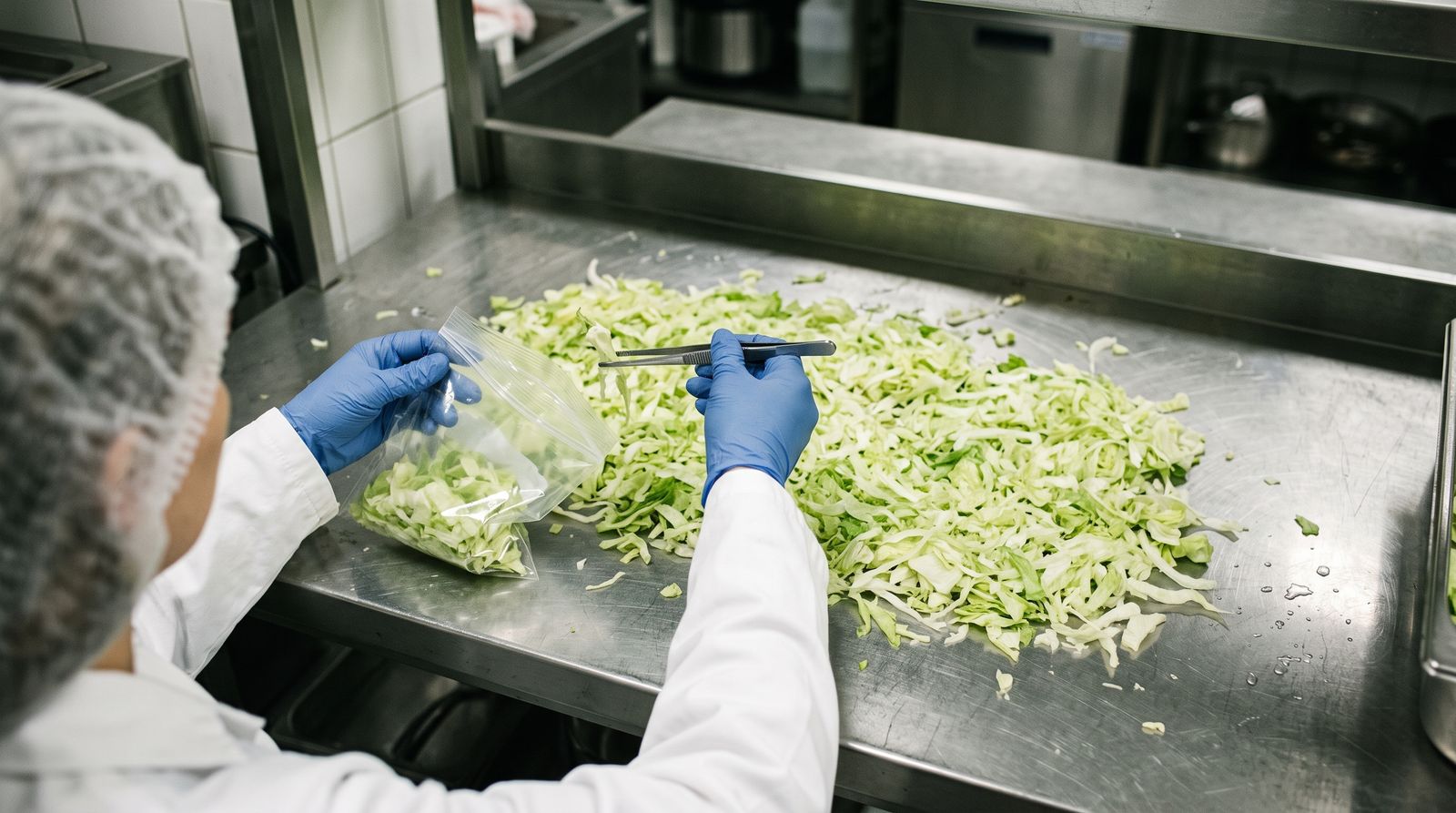
The traceback is done and the answer is uncomfortable: one supplier. The CDC confirmed this week that a cyclospora outbreak running through Taco Bell locations in Michigan, Ohio, Indiana, Kentucky and West Virginia traces to shredded iceberg lettuce, and the FDA followed the paper trail to a single grower — Taylor Farms de México, in central Mexico. On Friday, Taylor Farms went past the affected lots and began pulling all of its central-Mexico iceberg lettuce from the U.S. market.
The numbers explain the escalation. Federal health agencies count more than 1,600 lab-confirmed cases and at least 94 hospitalizations, with no deaths reported. State tallies run far higher: Michigan alone counts more than 5,000 cases under its broader definition, and its health department’s hospitalization count exceeds the federal one. Cyclospora is a parasite that causes weeks of gastrointestinal illness if untreated — miserable, rarely fatal, and almost always carried in on fresh produce. The first lawsuit landed Friday in Michigan, per Local 4 Detroit. It will not be the last.
Taco Bell’s defense is speed: the chain pulled the lettuce from restaurants in the affected states more than a week before the CDC’s confirmation. That is the system working roughly as designed — and it doesn’t matter for the headline. The brand on the outbreak announcement is not “Taylor Farms de México.” It’s the restaurant where 5,000 people ate, and its parent, Yum Brands, whose growth story leans on Taco Bell harder than on any other banner it owns.
Our take: Chipotle 2015 is the case study every QSR executive knows by heart: the operational cost of a foodborne outbreak is trivial, the trust cost compounds for years. But the sharper lesson here is upstream. One grower fed the salad line for five states’ worth of restaurants — that’s what supply-chain consolidation buys you: efficiency, uniform specs, one throat to choke, and one point of failure with a five-state blast radius. The traceback worked, the recall was fast, and none of it will show up in the ads. Watch whether “we pulled it before the CDC called” holds up as a brand story — because it’s the best one Taco Bell has.
What to watch
- The case-count curve: Michigan’s probable cases converting to confirmed would push the federal tally sharply higher — the next CDC/FDA updates set the size of the story.
- Yum’s Q2 call: management’s first public accounting, and any sign of a Midwest traffic dent. Franchisees, not Yum, own most of the restaurant economics — but the brand risk is all corporate.
- The litigation stack: outbreak suits travel in packs once the first one files. Watch whether they name Taylor Farms, Taco Bell, or both.
- The traceability fight: the FDA’s delayed food-traceability rule (FSMA 204) exists for exactly this scenario. Expect this outbreak cited as Exhibit A by both sides — proof it’s needed, or proof traceback already works.
The consumer backdrop makes the timing worse: grocery and restaurant customers are already price-rattled enough that Walmart is cutting beef and soda prices to keep them, even as they keep spending on experiences. And the deeper theme — how much self-policing regulators let industry do — is the same one running through the FAA handing Boeing back its own sign-off pen this week. Trust is cheap to delegate and brutally expensive to rebuild.