Brent settled at $116.72 a barrel on Friday, up $3.55 or 3.14% on the day and 6% on the week — its highest close since April 29. WTI settled at $103.27, up 3.8% on the day but only 2.3% on the week.
Equities took it unevenly. The Dow fell 652.82 points to 52,215.16, a 1.23% drop. The S&P 500 lost 0.52% to 7,623.68. The Nasdaq Composite gave up just 0.21% to 25,955.34. United, Delta and American all fell on the prospect of a higher fuel bill.
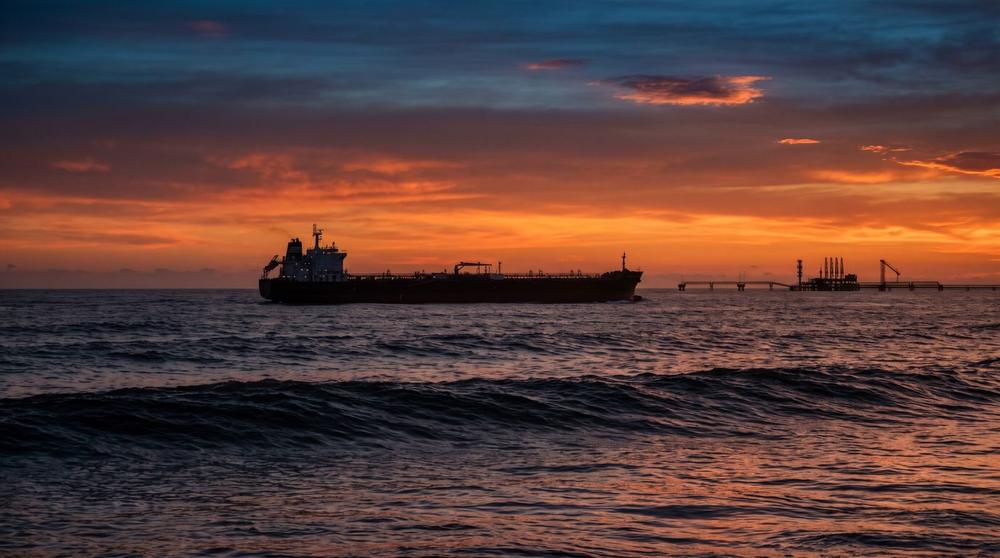
The driver was a run of Houthi attacks across Saudi Arabia, energy infrastructure among them. Saudi Aramco evacuated its Dhahran headquarters on Thursday. A tanker spill was detected off Umm Al Quwain in the UAE, reported by the UAE environment ministry with no cause given and the vessel unidentified. On October 9 the supertanker Gem No. 2 was struck by an unidentified projectile about 24km west of Al Jazeera. By one Washington think tank’s count, October is now the worst month on record for attacks on commercial shipping in the Strait of Hormuz and the waters around it.
Look at the spread, not the headline
Brent minus WTI is $13.45. That gap is the whole story in one number. Brent is the seaborne, waterborne benchmark; WTI is landlocked American crude that reaches the Gulf Coast by pipeline. When a supply shock is about barrels disappearing, both move together. When it is about whether a hull survives the trip, Brent moves and WTI follows at a distance.
That is what a 6% Brent week against a 2.3% WTI week describes: not a shortage of oil, a shortage of safe passage. Nothing in Friday’s reporting put a barrels-per-day figure on lost production. The only volume anyone named was a US emergency exchange of up to 400,000 barrels from the Strategic Petroleum Reserve — and that was to cover a refinery disruption at Phillips 66’s Lake Charles plant in Louisiana, nothing to do with the Gulf.
Our take: A freight-risk premium behaves differently from a supply premium, and the distinction decides who actually pays. Supply premiums fade when a producer opens a valve. Insurance and routing premiums fade only when the shooting stops, and in the meantime they are collected by whoever charters the ship — which means refiners, airlines and freight, not the oil majors. That is why Friday’s tape split the way it did: the Dow carries the transport and industrial names that eat the cost, the Nasdaq carries companies whose input is electricity. “The market is concerned about these continued Iranian attacks on tankers,” as Lipow Oil Associates’ Andrew Lipow put it. Tankers, not fields.
What to watch
- The Brent–WTI spread. It widens as shipping risk rises and compresses when the premium turns into an actual production loss. It is the cleanest live read on which kind of shock this is.
- Hull and war-risk insurance rates for Gulf transits. They reprice faster than crude and are the mechanism by which a headline becomes a cost line.
- Jet fuel and diesel cracks. Airlines fell on Friday on the expectation, not the invoice. Refining margins are where the expectation gets confirmed or doesn’t.
- Whether Aramco says anything about exports. Evacuating a headquarters is not the same as losing loadings. So far nobody has reported the second.
“Fears of supply disruptions drove the advance,” LPL Financial’s Adam Turnquist said of Friday. Fears is the operative word: six days of record attack counts have moved the price of oil by 6% without anyone yet demonstrating that less oil exists.