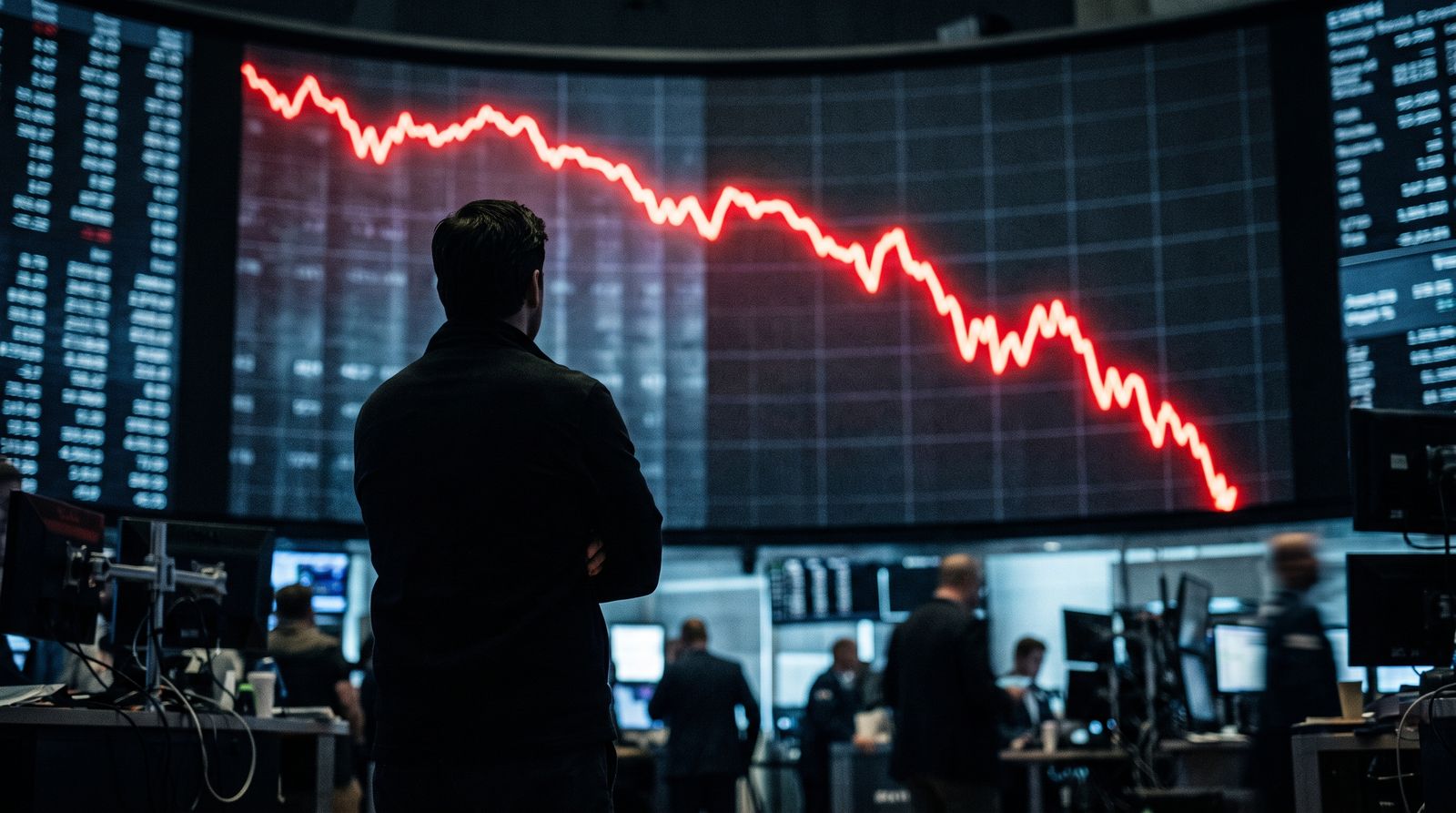
SpaceX closed Friday at $108.37, down 3.4% on the day. That is 52% below the $225.64 all-time high it printed on June 16, four days after the largest IPO ever priced at $135 a share. The stock is now roughly a fifth below the price the public paid to get in. Market capitalization sits near $1.43 trillion. Bloomberg put the value erased since the peak at more than $1.2 trillion — more than the entire market cap of all but a handful of companies on earth.
The drawdown is seven weeks old and has already found a floor once: $107.01 on July 28, the all-time low. Friday’s close was $1.36 above it.
Now the calendar takes over. SpaceX posts second-quarter results on Tuesday, August 4 — its first earnings report as a public company, with no history for anyone to anchor to. Two days later, on Thursday, August 6, an accelerated lockup release lets insiders sell up to 20% of restricted holdings, a tranche totalling 911.5 million shares. Elon Musk is carved out of the early release and stays under the full restriction period.
Our take: The lockup terms tell you what management expected. A further 10% was set to unlock only if the stock closed above $175.50 for five of the ten sessions before the report — a trigger written when $175 looked like a floor. At $108 it is unreachable, which caps this week’s freed supply at the 20% tranche. That is the good news. The bad news is that the trigger existing at all means the structure was designed around a share price that no longer exists, and the first real earnings print arrives 48 hours before the sellers get their release papers. Order of operations matters: a bad number on Tuesday has a built-in exit on Thursday.
The peak was the deal
June 16 was not a random high. That was the day SpaceX announced it would acquire Anysphere, the maker of AI coding tool Cursor, for $60 billion in an all-stock transaction — four days after going public. The stock touched $225.64 and has not been close since. The deal represented roughly 3.4% dilution at the IPO valuation, and management said it expects to close in the third quarter, which is now.
Cursor generates about $2.6 billion in annual revenue. Its owners agreed to take SpaceX paper when that paper was worth $225.64. It is worth $108.37 today, and the closing is still ahead of them. Whatever the final exchange mechanics, a $60 billion all-stock price agreed at the top of a chart is a live question for anyone modelling the share count — and share count is the whole argument in a week defined by supply.
What actually broke it
Four things, stacked. Dilution from the Cursor deal landed as post-IPO selling pressure was already building. A bond offering raised questions about how the capital program gets funded. The lockup calendar has been visible to every trader on the tape for weeks. And the hardware cooperated with none of it: a July 16 pad abort scrubbed a Starship launch, and while the follow-up flight succeeded, the booster was lost hitting the water faster than planned. The stock broke its $135 IPO price in mid-July and never reclaimed it.
Into all of that, ARK Invest has been the reliable bid. Cathie Wood’s funds bought 124,543 shares — about $14.1 million — on Monday alone, extending a streak of purchases on nearly every leg down. ARK now holds roughly 4.4 million SpaceX shares across its ETFs, one of the firm’s largest single positions. Wood’s team has floated a long-run valuation as high as $3.1 trillion, built on orbital data centers and edge compute.
That is a thesis about 2030. This is a week about float.
What to watch
- Tuesday’s number is a baseline, not a beat. There is no prior quarter to compare against and no consensus worth the name. What matters is the split between launch revenue and Starlink subscription revenue, and how either supports a $1.43 trillion valuation.
- Thursday’s supply, not Thursday’s headline. 911.5 million shares becoming sellable is not 911.5 million shares being sold. Volume relative to the 20-day average is the read — if insiders sit still at $108, that is a stronger signal than any press release.
- The $175.50 trigger. Confirm it stays dead. If it somehow activates, another 10% tranche joins the float and the supply math changes materially.
- Cursor close terms. The deal is slated for this quarter. Final share issuance against a $60 billion equity value struck at $225.64 is the number to find in the filing.
- ARK’s daily trade files. Wood publishes them. Whether she keeps adding through the unlock — or stops — is the cleanest available proxy for whether conviction buyers think the supply is absorbed.
Two events, two days apart, on a stock that has already given back half its value. Whatever the answer is, the market will have it by Friday.