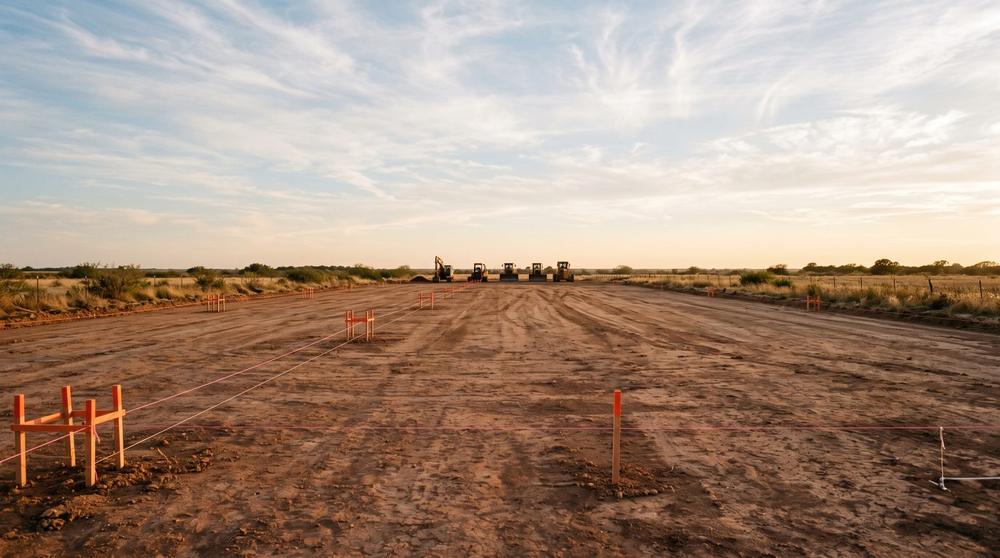
Bloomberg reported on October 1 that TSMC is weighing a multibillion-dollar new campus in Texas to add AI chip capacity. On Saturday Elon Musk confirmed that talks are happening, in the least committal language available: “Just discussions, but something may come of it.”
The quote is not the story. What the talks are reportedly about is: TSMC is exploring ways to work with Terafab, the $16.8 billion semiconductor project in Grimes County, Texas, with Terafab potentially serving as an anchor client for a future TSMC site in the state. Terafab is building for AI, robotics and space applications, with Tesla and SpaceX involved, and Intel joining in April 2026.
Anchor tenants are what de-risk a fab
The lesson of the Arizona build-out was that the binding constraint on a new leading-edge fab is not capital. Capital is available and politically subsidised. The constraints are committed demand at the node you are building, and enough trained people within commuting distance of a very specific patch of ground.
An anchor client fixes the first one. A captive buyer of AI, robotics and space silicon — with Tesla and SpaceX volumes behind it — is exactly the kind of demand a greenfield campus needs to pencil before the first slab is poured. That is why “just discussions” about Terafab is a more interesting sentence than a press release about a memorandum of understanding would be.
The Intel detail deserves a second look too. Intel joined Terafab in April. A structure in which TSMC takes an operating role in a project Intel is already part of would be an unusual arrangement by any reading of the last decade of this industry.
What is not confirmed
Plenty. TSMC has named no site, no node, no capacity figure and no timeline. One report ties the decision to an extension of US advanced-manufacturing tax credits; TSMC has not said that itself, and it should be treated as reporting rather than company guidance. Separately, Taiwan’s economy ministry has publicly committed to backing domestic TSMC expansion — a reminder that every overseas commitment is negotiated against a political expectation at home.
Our take: Ignore the Musk quote and watch the permits. Fab announcements are cheap and fab sites are not: water allocation, grid interconnection and a filed site plan are the first irreversible commitments, and they show up in county records before they show up in a keynote. If TSMC files for those in Texas, the Terafab anchor story was real. If it doesn’t, this was a negotiating position on tax credits.
What to watch
- Water and power, not money. A named site with a filed water allocation and an interconnection request is the first hard evidence. Grimes County and surrounding filings are the place to look.
- The tax credit. If the reported contingency is real, the campus decision is downstream of a legislative calendar, not an engineering one.
- Intel’s position. It joined Terafab in April. How a TSMC operating role sits alongside that will say a lot about how far consortium economics have moved.
- Taipei’s tone. The economy ministry backing domestic expansion is the counterweight. Watch whether support becomes a condition.
- Any capacity number at all. Until TSMC puts wafers-per-month and a node against this, it is a site search, not a fab.