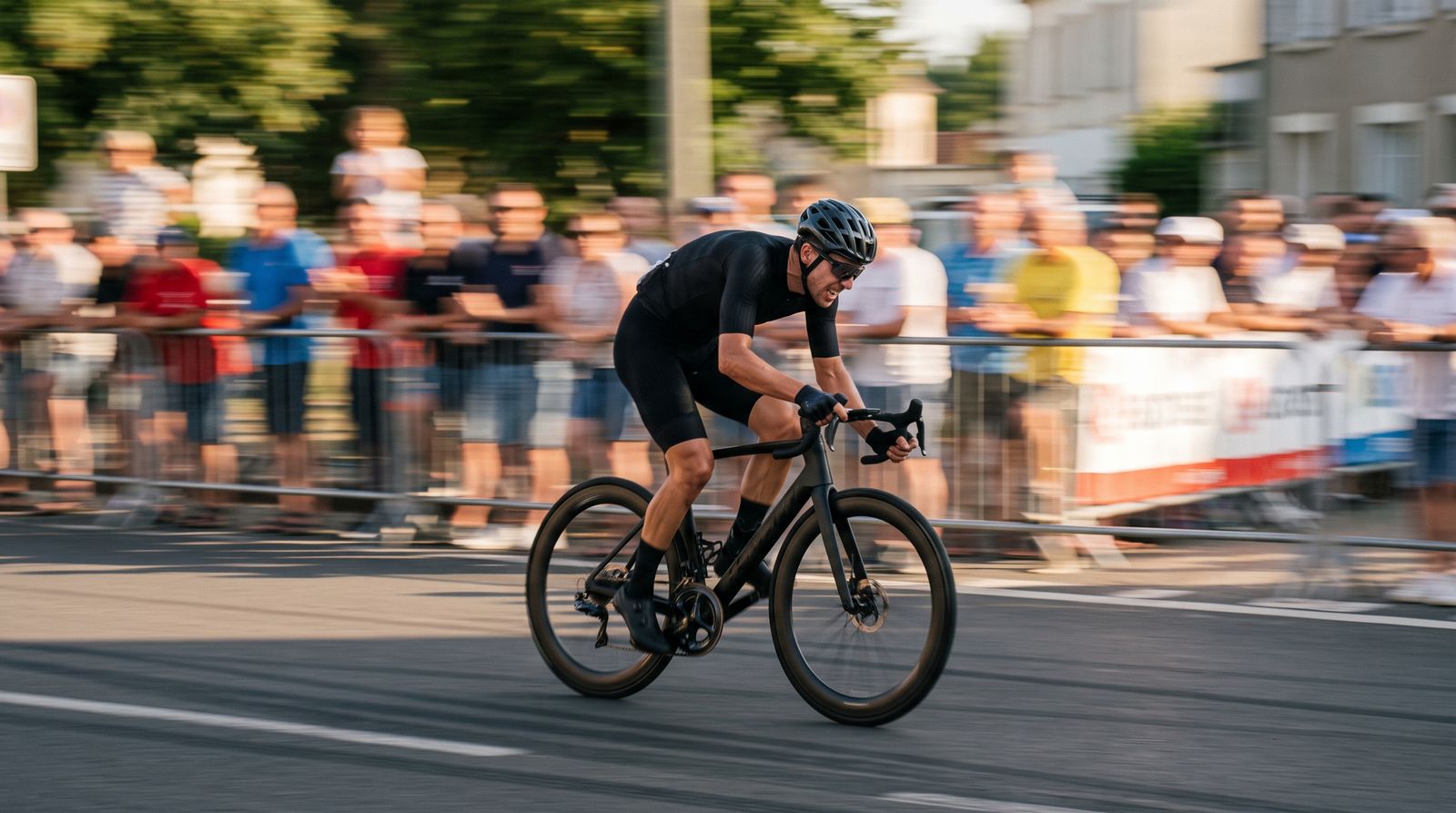
Stage 11 of the Tour de France was supposed to be a routine day for the big sprint trains — Tim Merlier, Jasper Philipsen and Olav Kooij lining up for a rematch on the 161km run from Vichy to Nevers. Instead, a tailwind turned it into a record book entry. The peloton covered the day at an average of 50.91 km/h, making it the fastest road stage in the Tour’s 113 editions — quicker than the 50.355 km/h mark that had stood since a Mario Cipollini stage win in 1999. And the man who won it, Søren Wærenskjold of Uno-X Mobility, launched his sprint from distance, pulled clear inside the final 300 metres, and held off Kooij while Philipsen was relegated and Milan Fretin promoted to third.
Here’s the detail that makes it a story about more than cycling: twenty-four hours earlier, Wærenskjold came home at the very back of the race at Le Lioran, on the mountain day Tadej Pogacar won with his signature late attack. That’s not a slump — it’s the sprinter’s job description. On days that don’t suit you, the professional move is to spend as little as possible, finish inside the time limit, and treat the whole day as recovery for one that does. Yesterday’s last place wasn’t failure. It was budgeting.
The win itself carried the same logic in miniature. At nearly 51 km/h, the usual sprint choreography — sit in the train, wait for the leadout, come around late — breaks down, because nobody has the reserve to come around anyone. Going first from 300 metres out, normally a gamble that gets swallowed, becomes the winning move when the whole field is already at its limit. It’s the flat-road version of the same arithmetic Pogacar used in the mountains a day earlier, and the same principle in our clutch performance playbook: when everyone is maxed out, initiative beats patience.
Our take: The distance between your worst day and your best day can be 24 hours — if you treat the bad day correctly. Wærenskjold didn’t fight Tuesday’s mountains; he lost them cheaply on purpose, and had the legs to make history on Wednesday. Most people do the opposite: they burn themselves proving something on days that don’t matter, then have nothing for the days that do. Losing cheaply is a skill. So is noticing the tailwind — records fall when conditions run hot, which is exactly when showing up aggressive pays the most.
What to watch
- The record’s shelf life. A 27-year-old mark fell on a flat stage with a tailwind. Faster bikes, faster surfaces and aggressive racing mean more record-pace days are coming — and more crashes with them.
- The sprint hierarchy. The favorites were Merlier, Philipsen and Kooij; an outsider beat all three by refusing to wait. Watch whether the big trains start launching earlier to close that door.
- The GC freeze. Pogacar kept yellow without a scratch. The hardest mountains still stack the final week, and his rivals’ window to make up ground keeps narrowing.